Marked location
Tape and paint on the floor or ground
Leak detection in Houston is the work of finding a hidden leak with meter checks, pressure testing, acoustic listening and cameras — before opening anything. A water bill that jumps with no change in use, a meter that keeps moving with everything off, a warm spot on the floor: these are leak signs, not mysteries. El Primo Lalo Plumbing finds hidden leaks in Houston with meter checks, pressure testing, acoustic listening and cameras, before any wall or floor is opened.

Every callout includes the diagnostic work needed to find the leak and explain it to you. Repairs are quoted separately once we know what failed, so you are never paying for work you did not approve. Here is what comes with the detection visit.
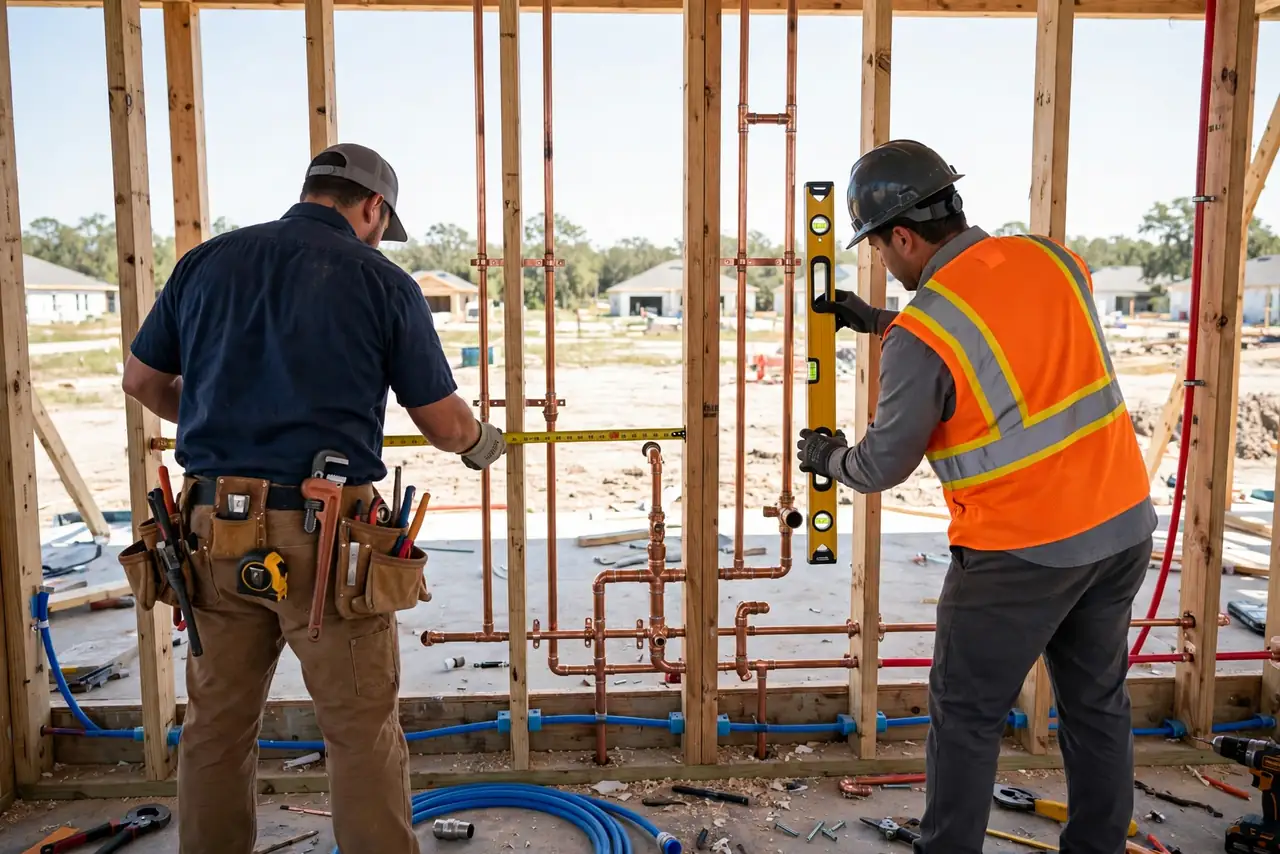
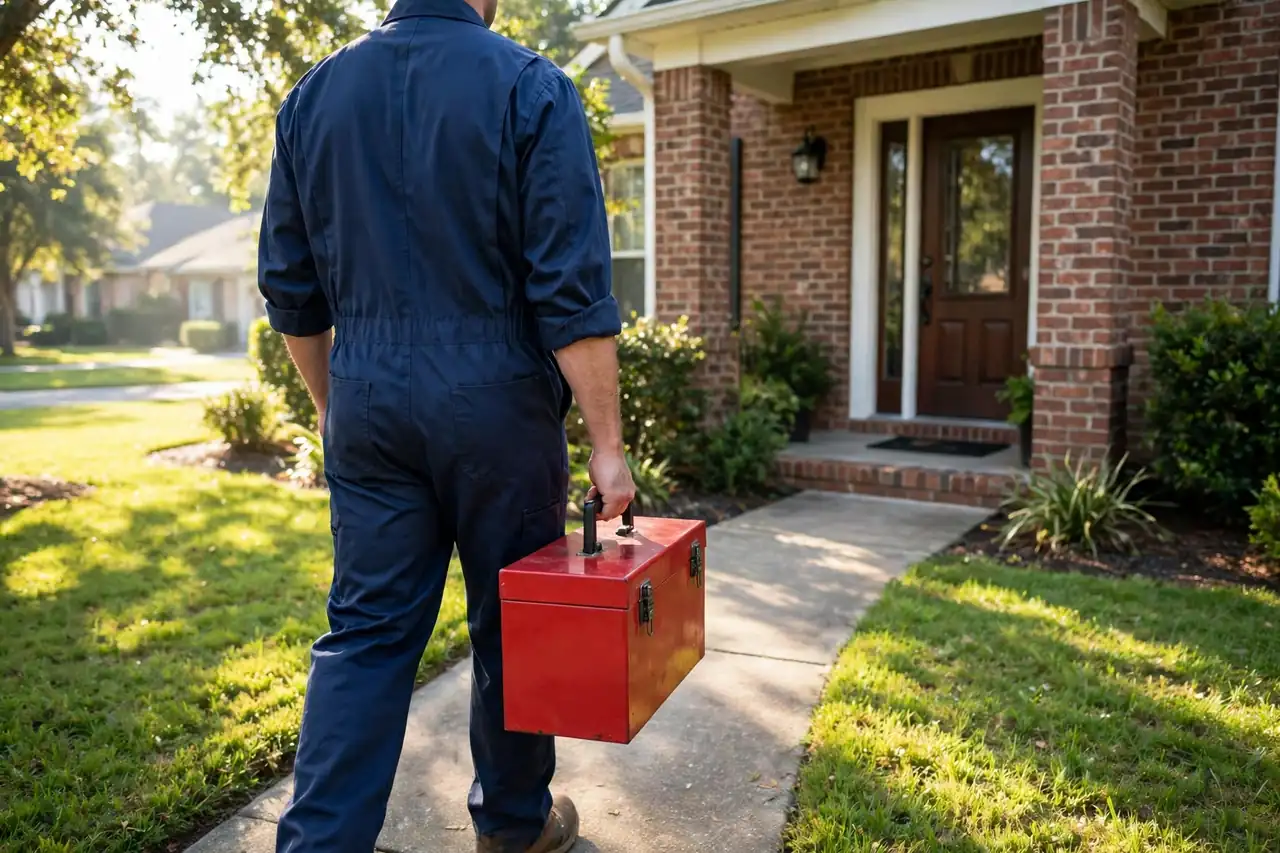
We trace leaks in slab floors, walls, cabinets and yard lines so the repair stays small. You get the location marked and the readings explained before any repair is quoted.
We trace supply, drain and irrigation leaks in occupied buildings and schedule the repair around your hours. The goal is to keep the space open while the source is found.
Leak detection follows a stack: a meter check with everything off, pressure testing and line isolation to separate hot from cold, acoustic listening with ground microphones, then camera and line locating, and tracer gas for quiet leaks. Supply leaks are pressurised and show fast; drain leaks seep and can run for months. Knowing which one you have decides the fix.
Houston makes leak detection a core skill. Copper water lines run under slab-on-grade concrete over expansive clay that swells and shrinks with every wet spring and dry August, and copper thins where it rubs concrete. A warm spot on the floor is the hot-line signature. This page covers general leaks; slab leaks have their own page, because the detection and the repair options are different.
A meter that moves with everything off is telling you the truth. Listen to it.
No mystery, no guesswork. Here is exactly what happens from the phone call to the moment we hand you the findings, usually inside two to four hours on site.

You tell us what you noticed: a spike on the bill, a warm spot on the floor, water at the base of a wall, or the sound of running water with every fixture off. We ask a few questions, book a window, and tell you how to shut off the main if the leak is active. Most calls get a prompt slot.
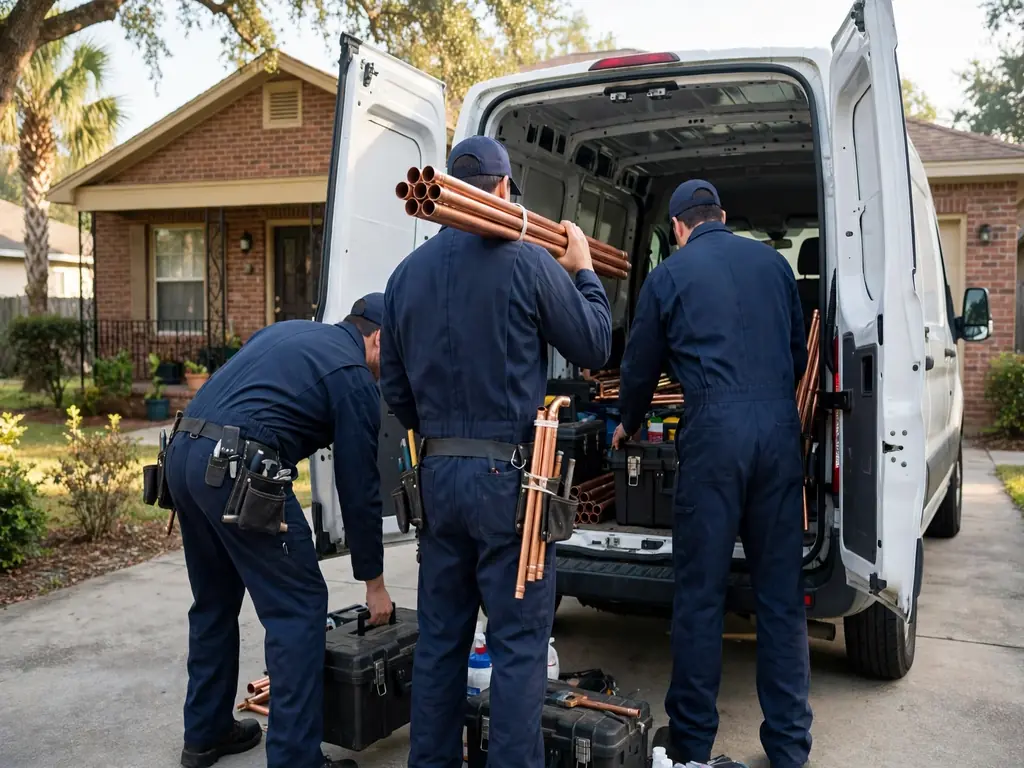
On arrival we shut off the fixtures and the irrigation, then watch the water meter. If the dial still moves, the loss is on a pressurized line. We pressure-test the hot and cold sides separately to determine which half of the system is leaking before we bring in the listening gear.
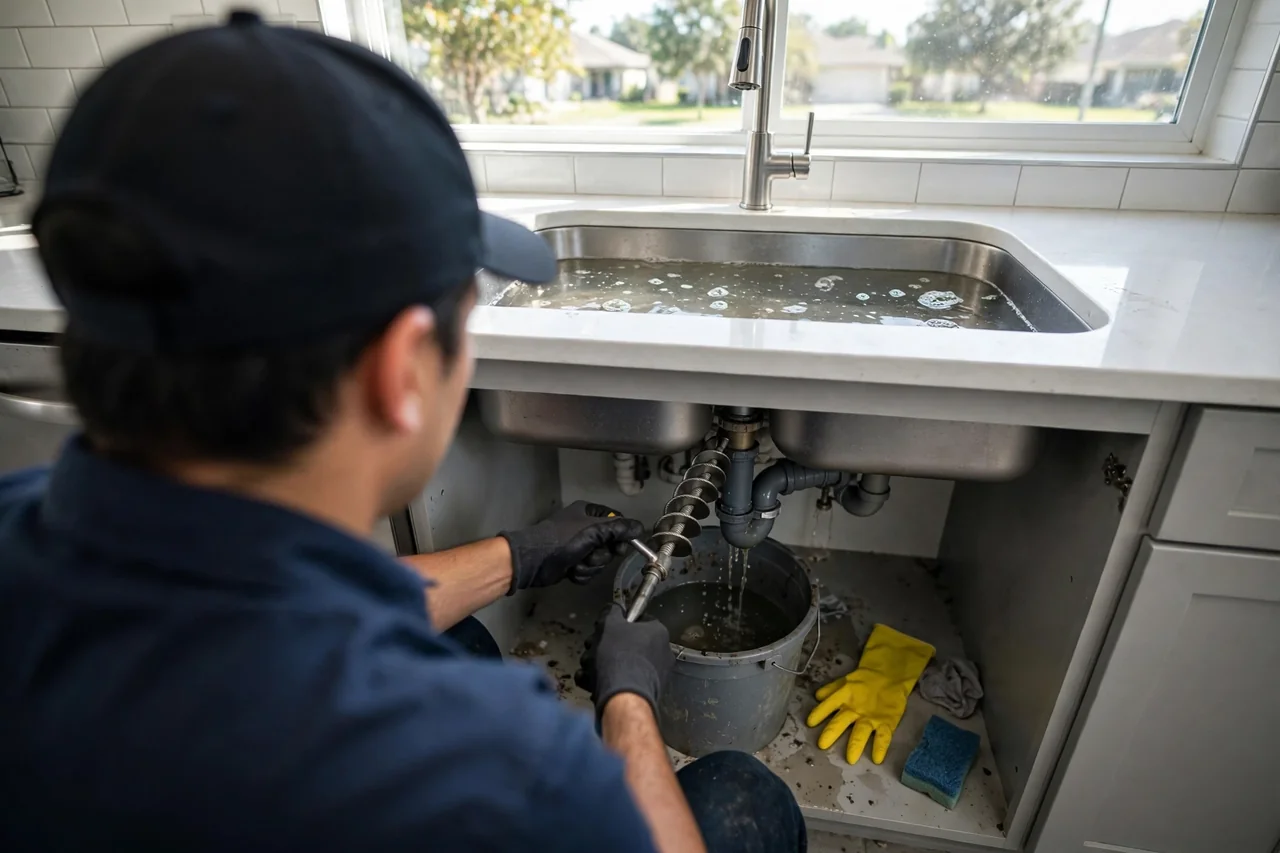
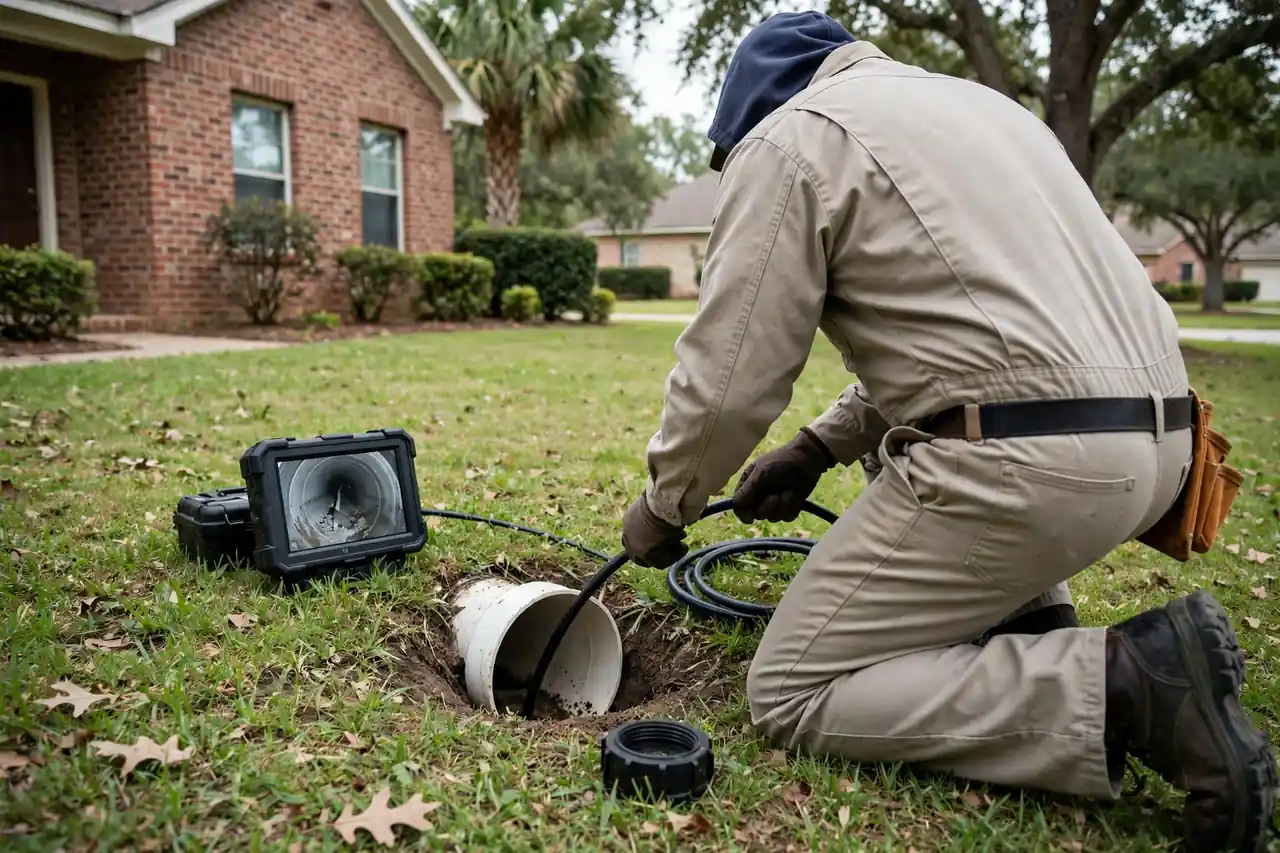
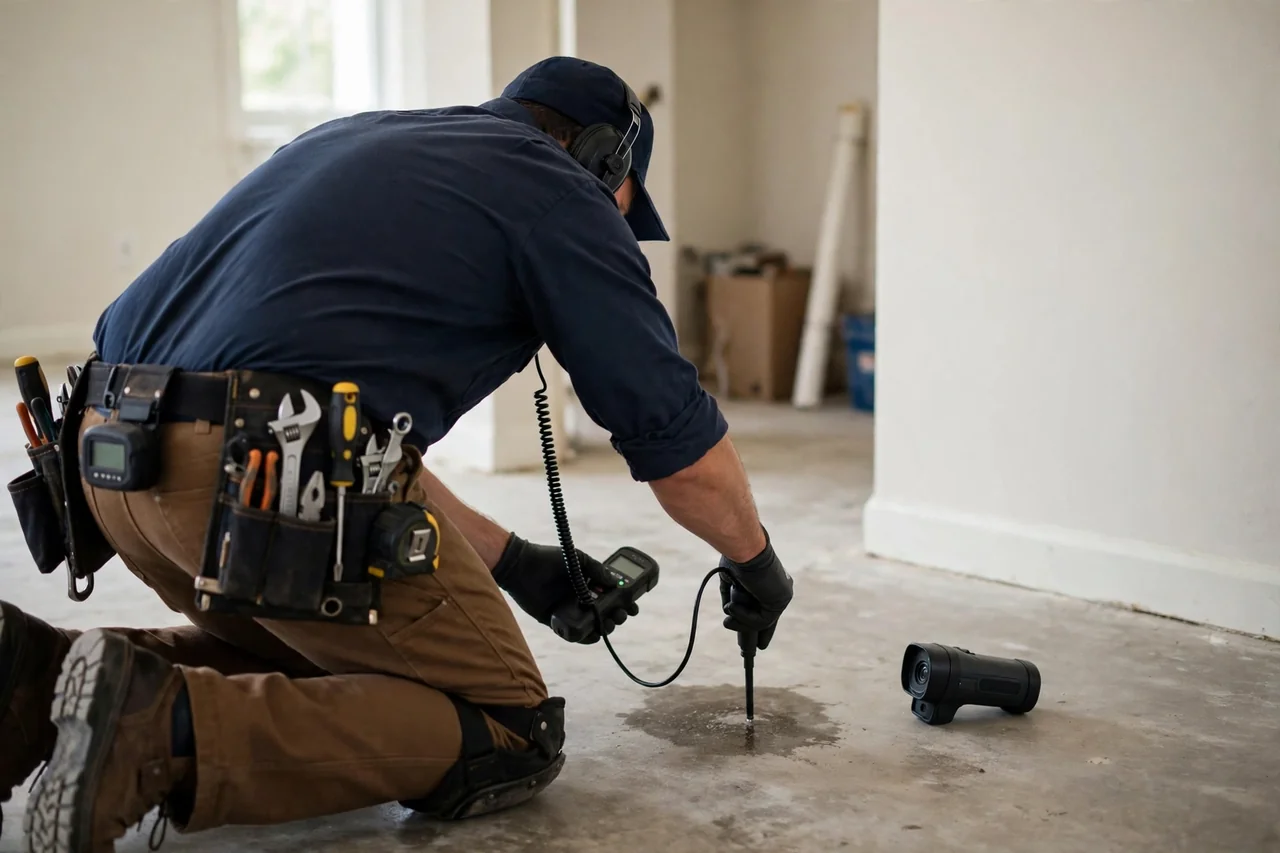
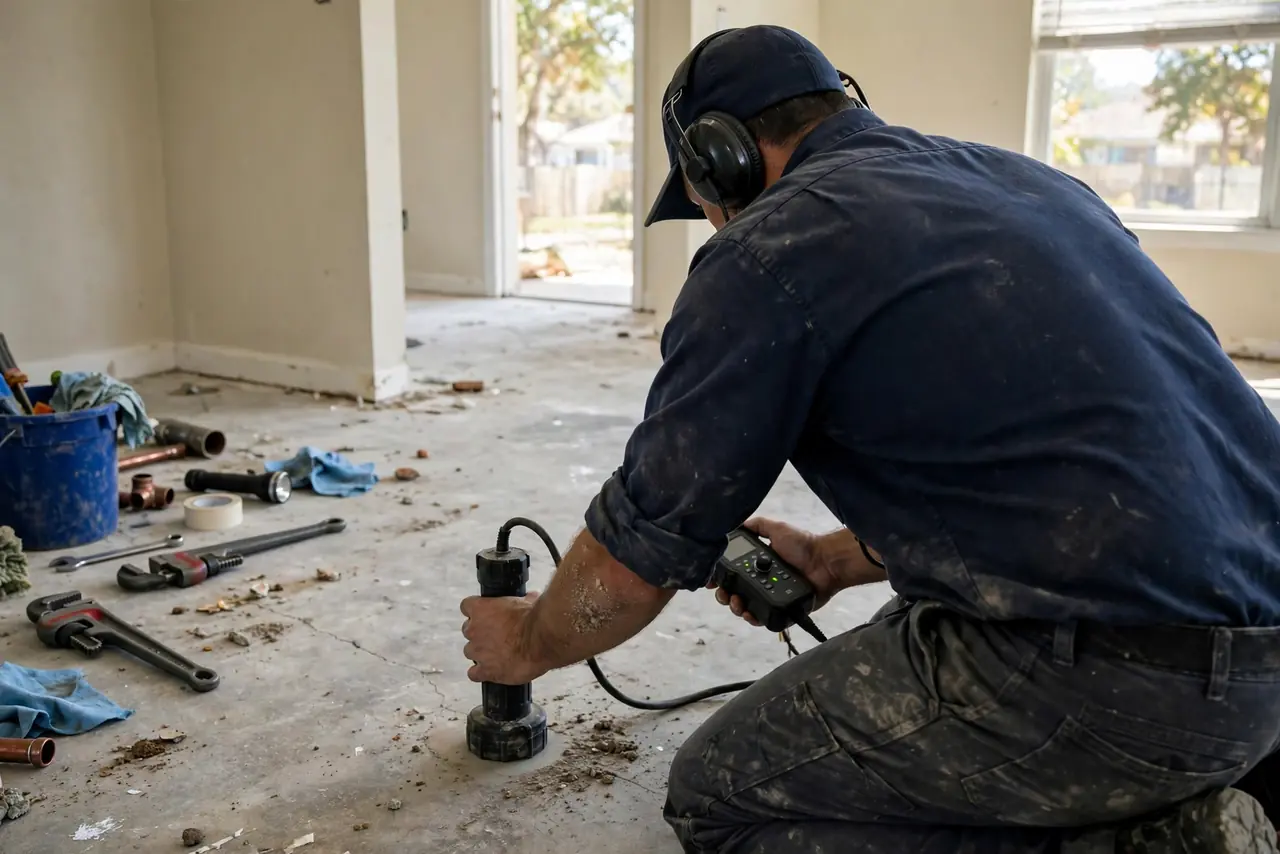
We sweep the slab with a leak detection microphone and confirm the loudest point with a second pass. For underground or yard lines we use acoustic rods and tracer gas where needed. A sewer camera goes into the drain if we suspect a broken line under the yard. This stage takes 45 to 90 minutes in a typical house.
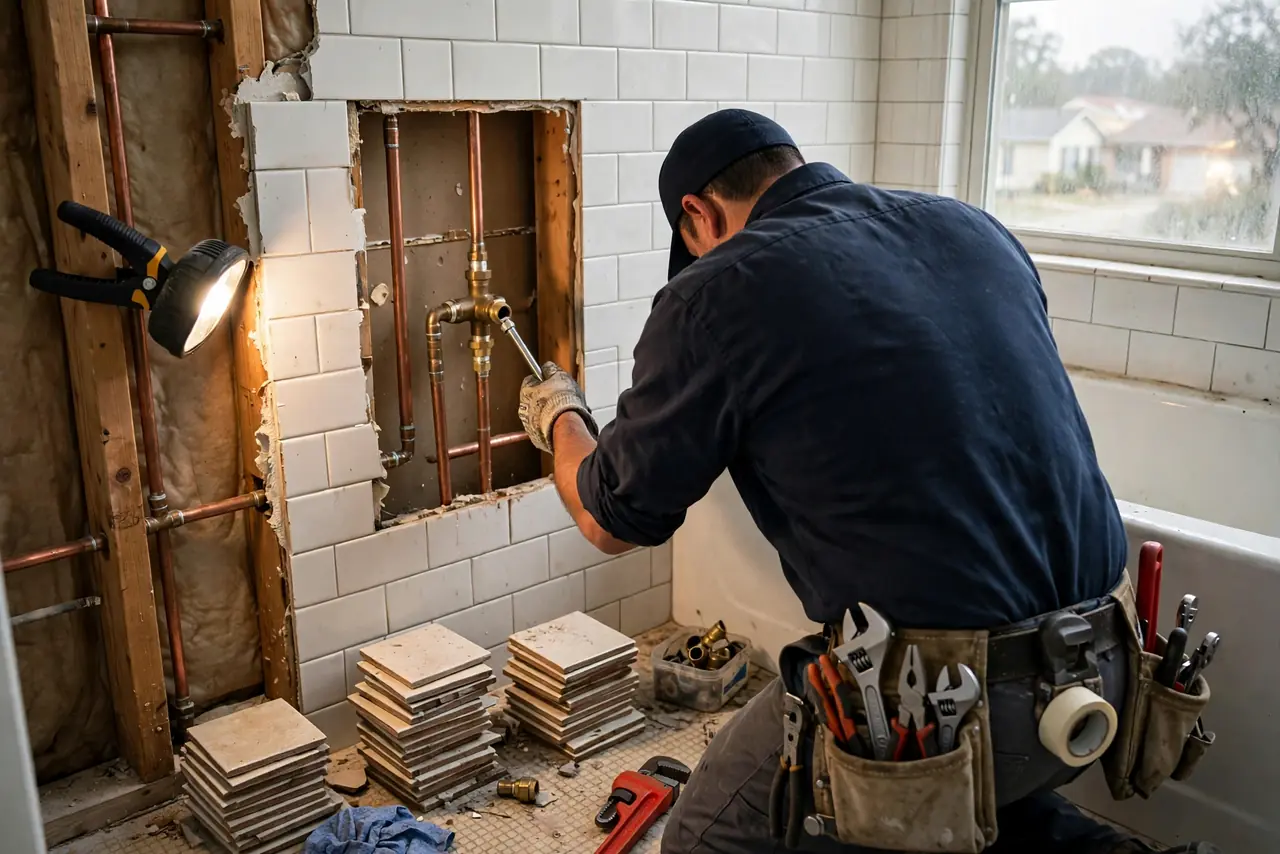
We mark the spot on the floor or ground with tape and paint, photograph the readings, and note the pipe material, size and depth. You get a plain explanation of what failed and where, plus the moisture readings from any wall or cabinet we opened. Nothing gets covered back up until you understand it.
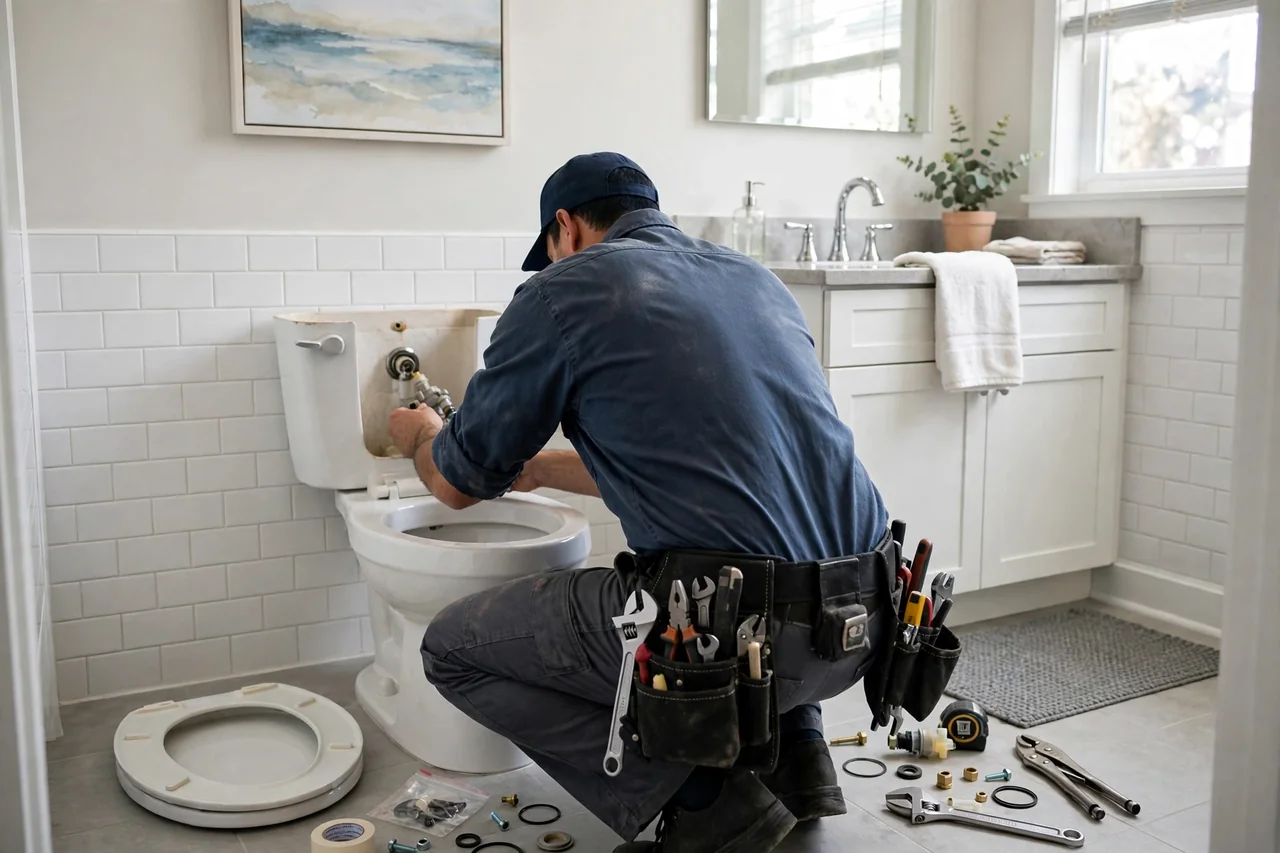
We quote the repair on the spot, whether it is a spot fix on a copper line, a PEX reroute through the attic, or a tunnel under the slab. If you approve, we schedule the work and protect the area before we cut. If you want a second opinion, you keep the marked location and the photos.
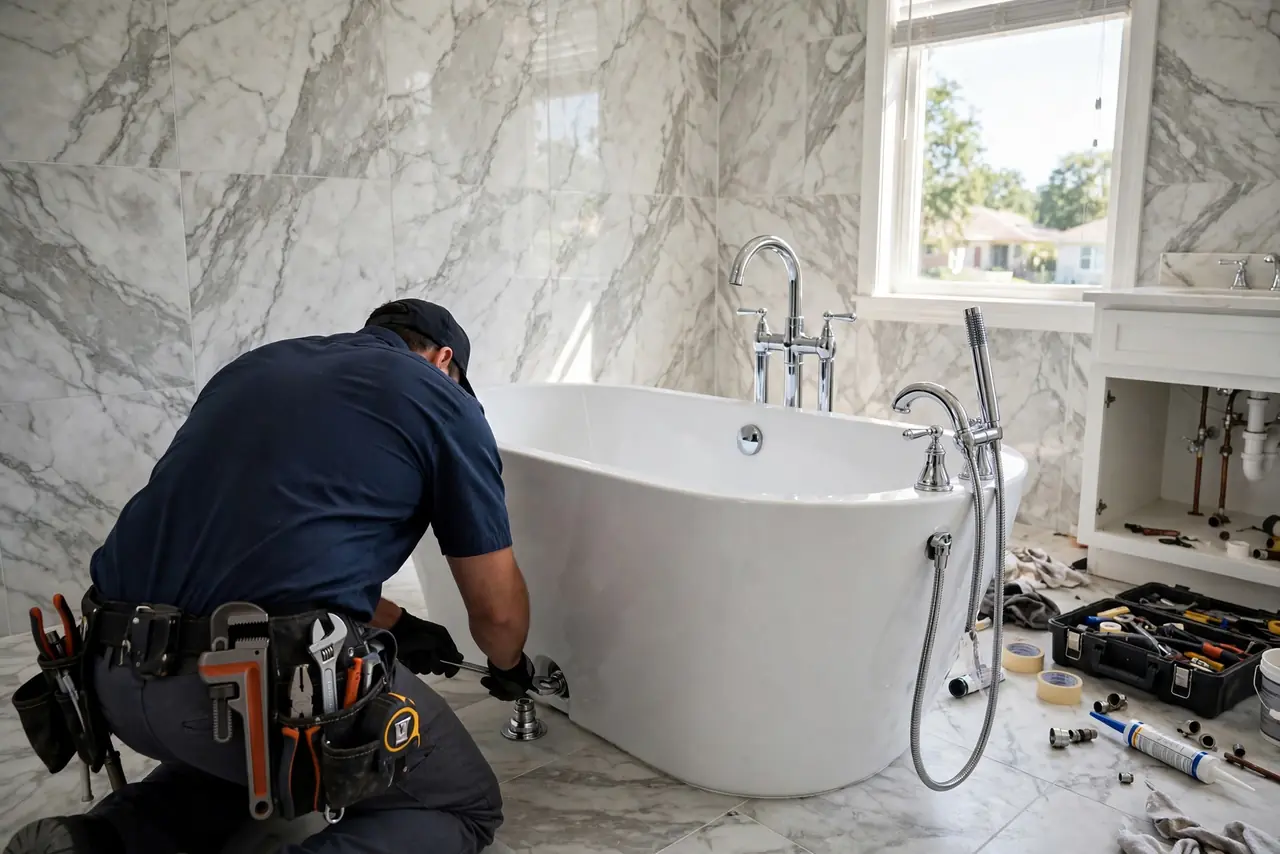
Picks up the sound of water escaping a pressurized line through concrete, tile or soil. We sweep in a grid and confirm the loudest point with a second pass before marking.
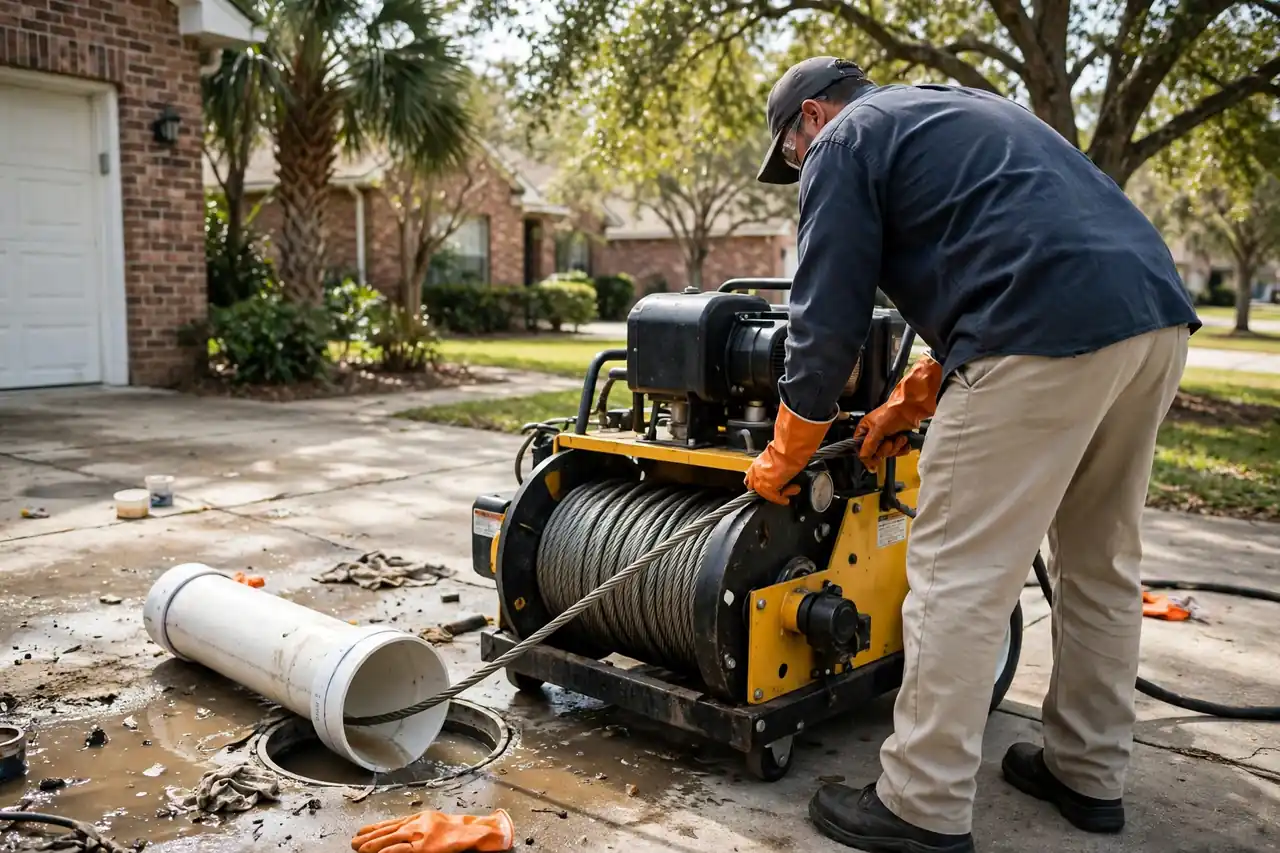
Pushes into a drain or sewer line and sends video back to the monitor. We use it to find cracks, offset joints and root intrusion in sewer line and to confirm a repair is sound.
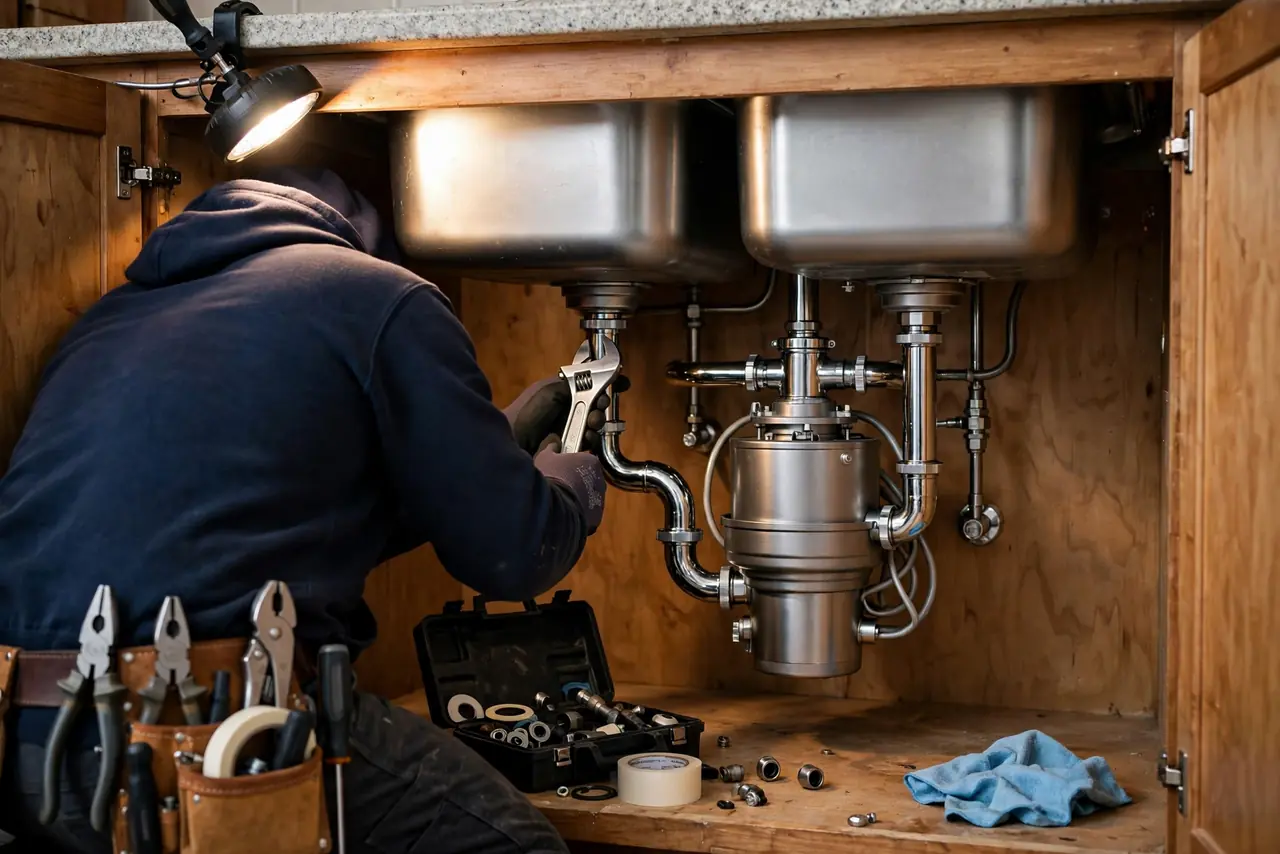
Used on underground lines where the ground is too dense for a clean microphone reading. The rods carry the sound to the surface; tracer gas confirms the path of the leak.
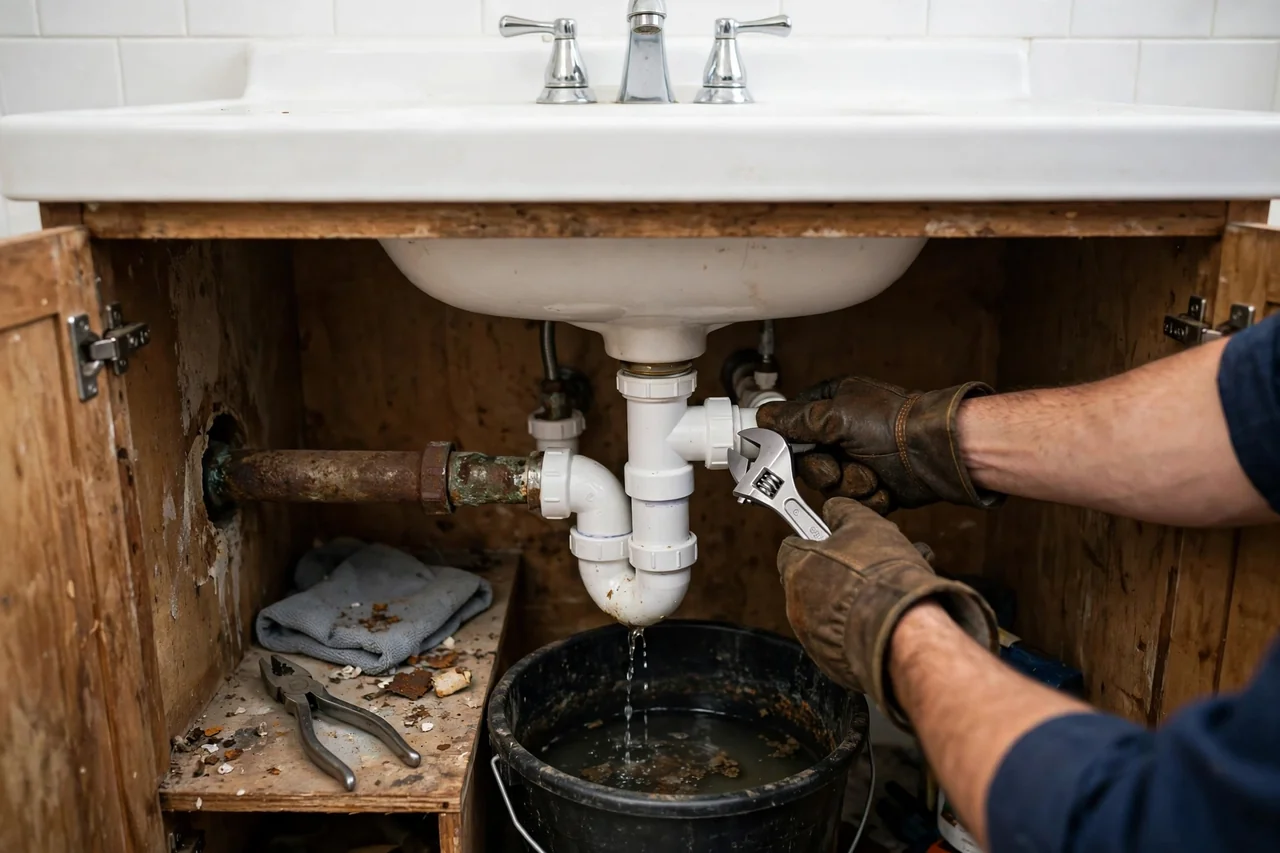
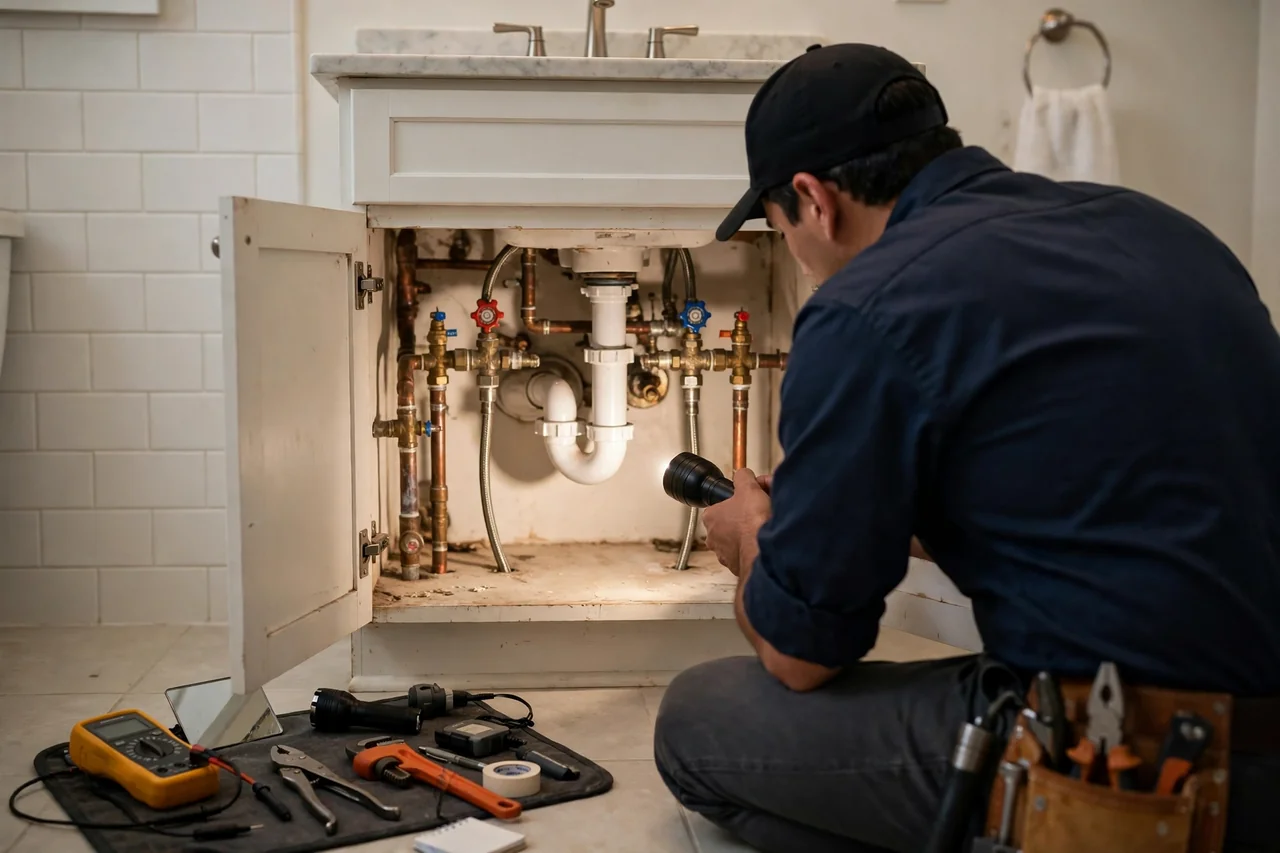
Reads the water content in drywall, wood and concrete. We use it to map the wet zone and to confirm a wall or cabinet has dried after the repair.
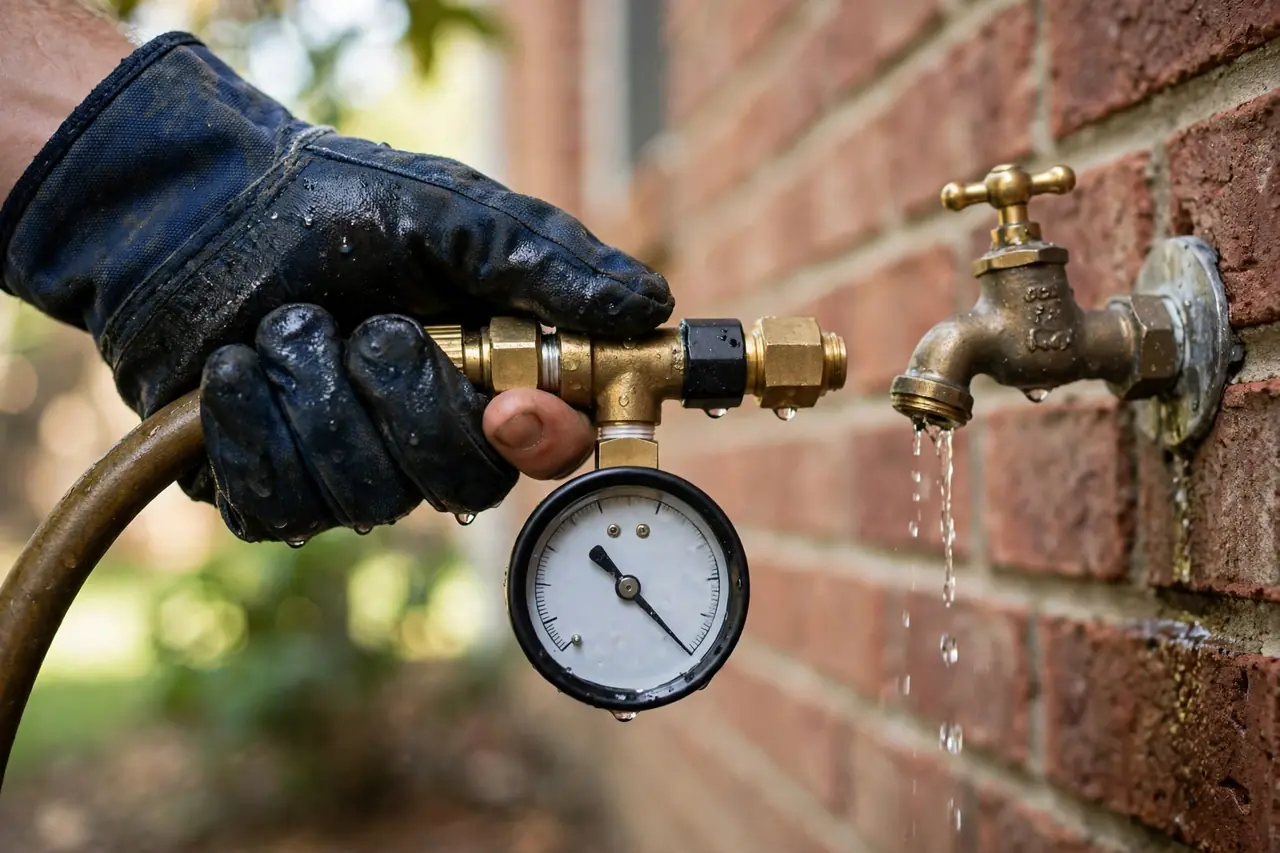
Isolates the hot and cold sides and holds pressure to prove where the loss is. A gauge that drops on one side tells us which half of the system to search.
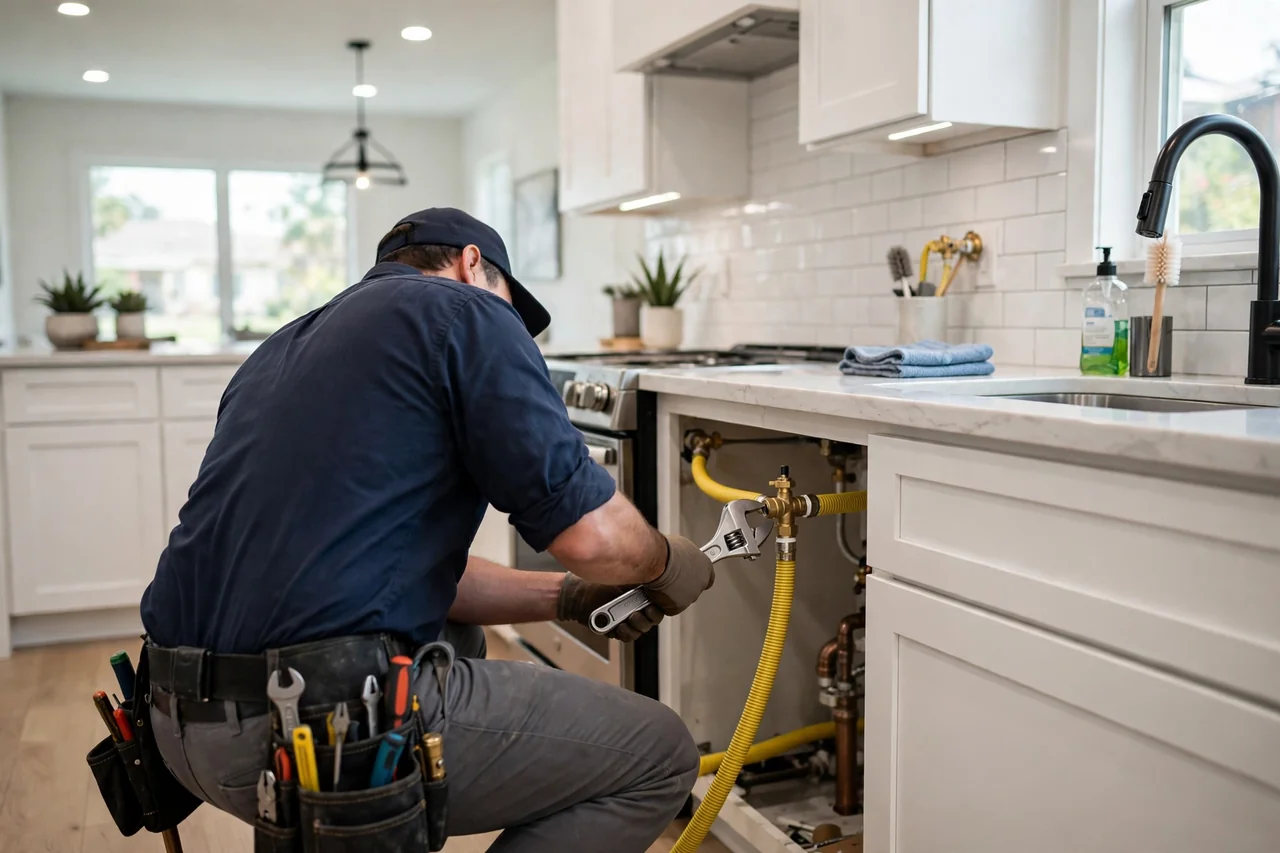
Used on the repair side once the leak is found. The press tool makes a clean joint on copper or PEX without a torch, which matters in tight cabinets and walls.
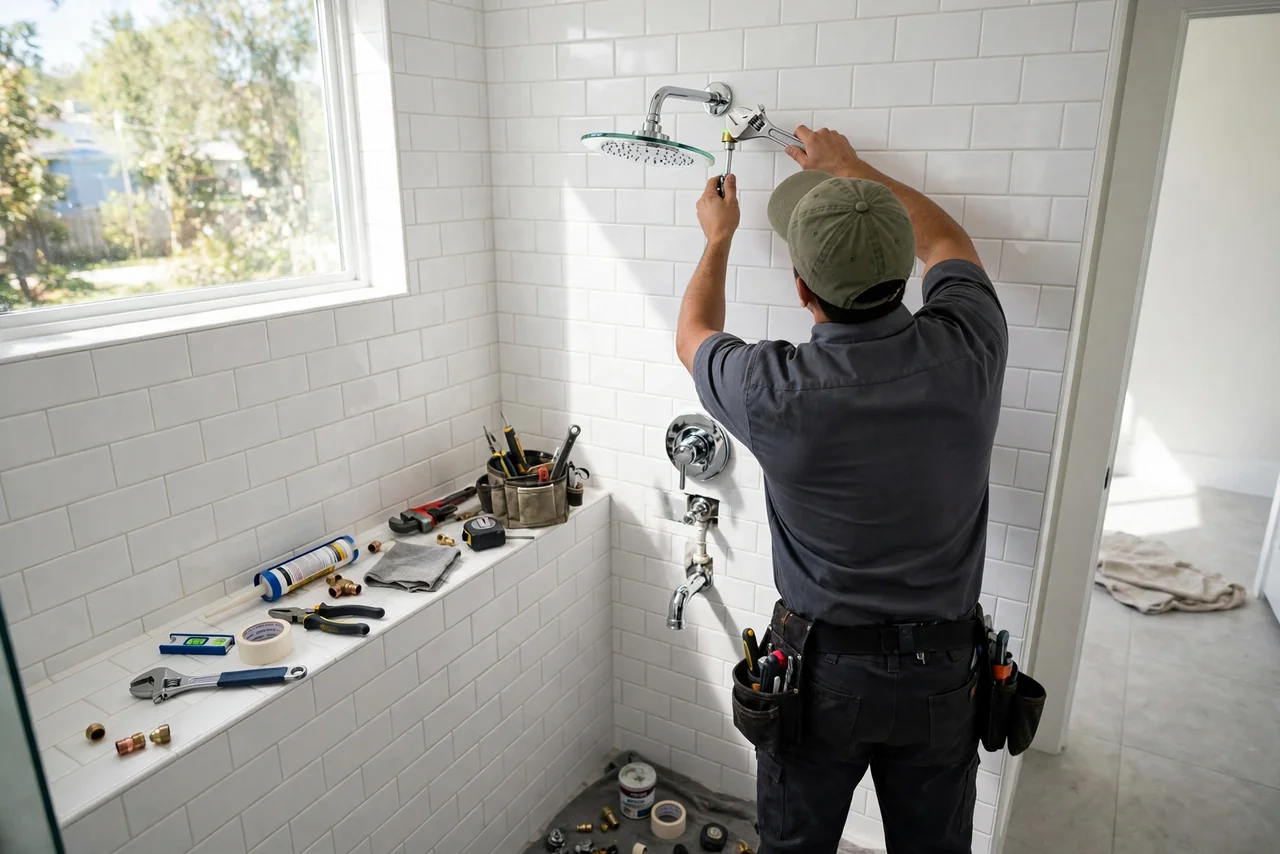
Clears a blocked line before we camera it, so a blockage does not hide a break. The jetting machine also cleans roots and grease out of the line before repair.
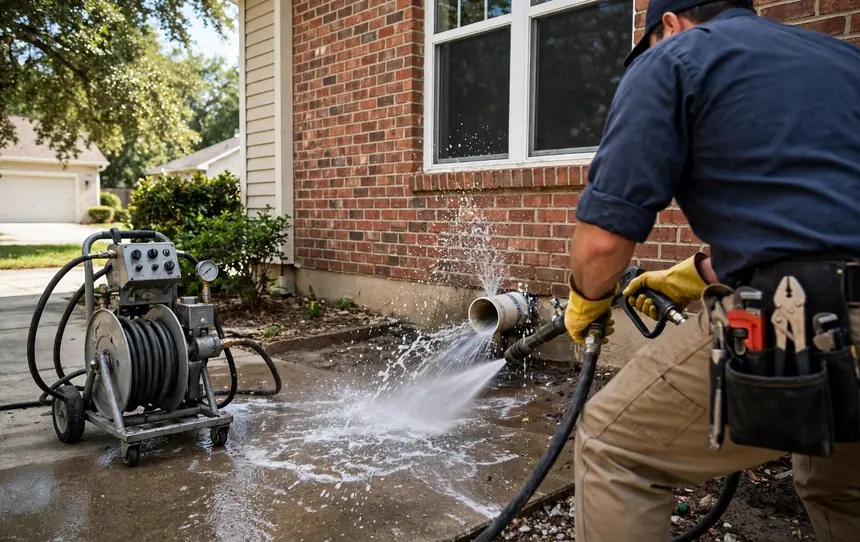
We shut off the water heater and test the hot and cold sides separately. A gauge that drops on the hot side points to a slab leak under a hot line; a drop on the cold side points to the service line or a cold run. This step cuts the search area in half before any listening gear comes out.
Call (346) 776-8560 during our hours — Monday through Sunday, 7:00 AM to 10:00 PM — and we will talk through the next step. When we come out, we shut the main and pressure-test the system to find which side is losing water. The microphone sweep follows, and we mark the break before any repair is quoted. You get a confirmed location and a repair price the same visit, usually within two to four hours on site.
We isolate the fixtures and irrigation, watch the meter, and test the hot and cold sides separately. If the loss is underground, we trace the service line with acoustic rods and mark the break. You learn whether the loss is inside the house, under the slab or in the yard, and what the repair will cost.
We run a full pressure test and a moisture map of the affected area, then camera any drain line that could be involved. The findings go into a short report you can use in the negotiation. You know whether the moisture is an active leak or old staining, and you avoid buying a foundation problem.
We trace the leak in the supply, drain or irrigation line and mark the location. The repair is scheduled around business hours so the space stays open. The leak is located and fixed without closing the business or tearing up the whole ceiling.
Slab-era copper in Sharpstown, Meyerland and Memorial is the leak-detection belt, while pier-and-beam homes in the Heights and Montrose hide leaks under the floor instead. Either way, detection comes before demolition.
A homeowner in Meyerland saw the water bill jump sharply in one month and felt a warm strip on the hallway tile. Two other plumbers recommended opening the whole floor.
We pressure-tested the hot side, swept the floor with the microphone, and marked a pinhole leak in the copper line within 18 inches of the wall. The repair opened one 2-foot square of slab, and the tile was reset the same week.
We checked the moisture in the surrounding flooring after the patch cured and recommended a pressure test once a year to catch the next pinhole early.
A Heights homeowner had a soggy patch in the side yard that never dried, even in August. The irrigation had been shut off for weeks and the meter still moved.
Acoustic rods traced the loss to a root-cracked service line about 12 feet from the meter. We dug one hole, replaced the section with PVC pipe, and restored the sod. The meter stopped moving once the repair was done.
We marked the repair line on a site sketch and suggested a camera check of the older cast iron drain nearby before it became the next problem.
A property manager had a water stain spreading across a first-floor ceiling under a second-floor shower. The tenant had been moved out of the unit while three vendors tried to find the source.
We read the moisture in the subfloor, pulled the shower valve trim, and found a failed connection at the valve body. The repair took about 90 minutes, the ceiling was dried and patched, and the tenant moved back in that week.
We checked the drain and the pan for hidden moisture and recommended a new wax ring and supply line on the toilet in the same bathroom while the wall was open.
Most hidden leaks do not announce themselves. They show up as a bill, a stain or a warm floor, and by then the water has been running for a while. Here are the problems we get called for most often.
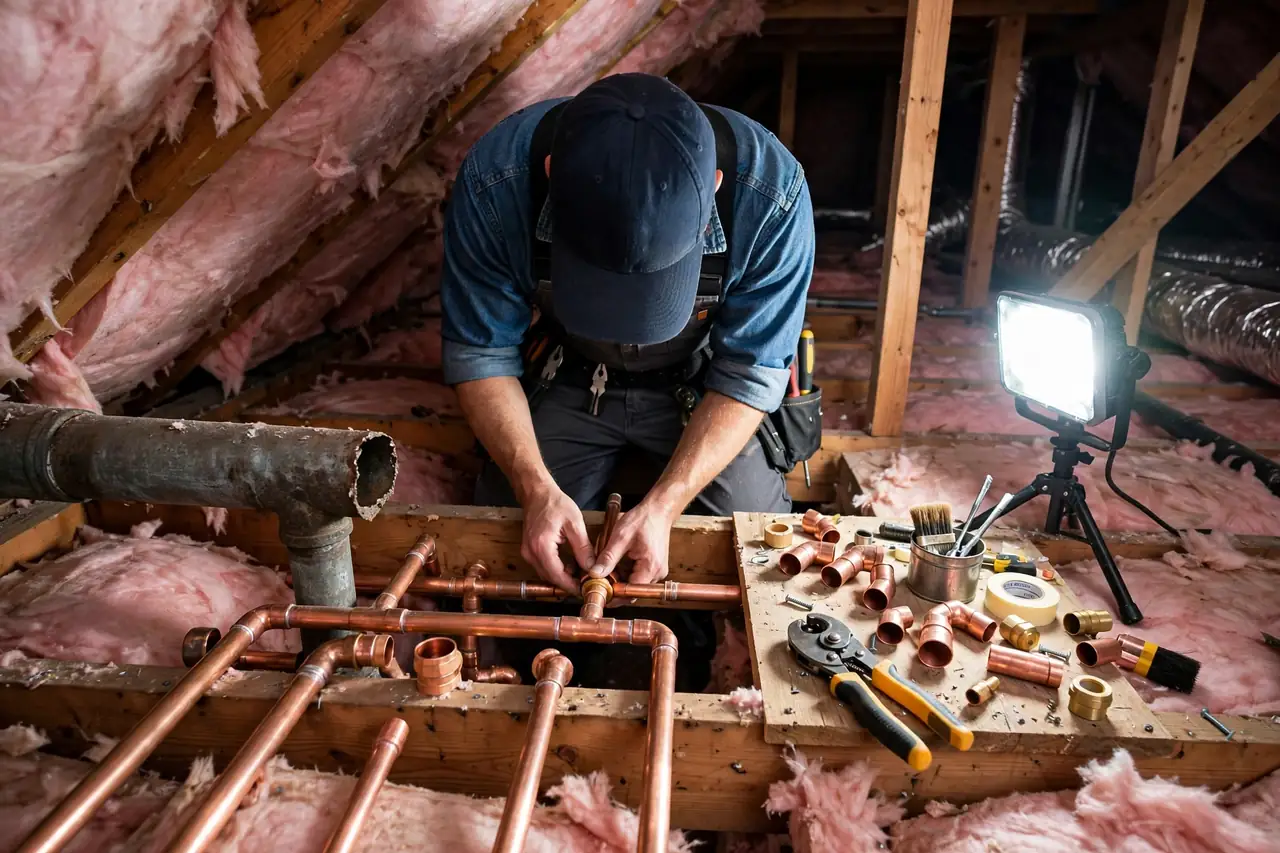
We isolate the system, watch the meter, and pressure-test each side to confirm the loss is real. Then we trace the line with a leak detection microphone and mark the break so the repair opens one small area instead of the whole room. A slab or service line leak can waste hundreds of gallons a day and add a large amount a month. Left alone, it also softens the soil under the foundation and can lead to settlement cracks.
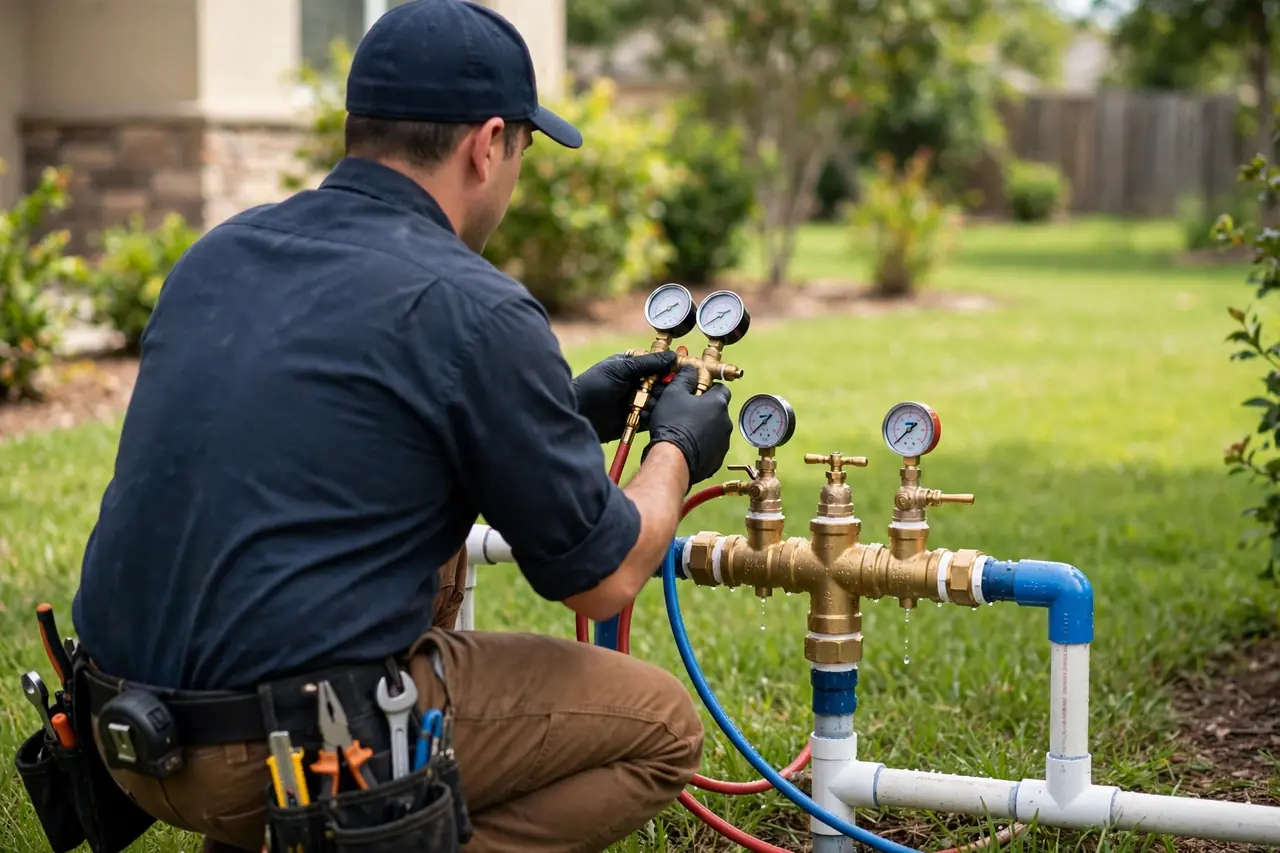
We pressure-test the hot side first, confirm the leak with the microphone, and check the moisture readings in the flooring. If the line can be rerouted through the attic instead of cut, we quote that option too. A hot-side slab leak heats the concrete and soaks the carpet pad. The moisture feeds mold and warps hardwood, and the constant heat can damage the flooring above it.
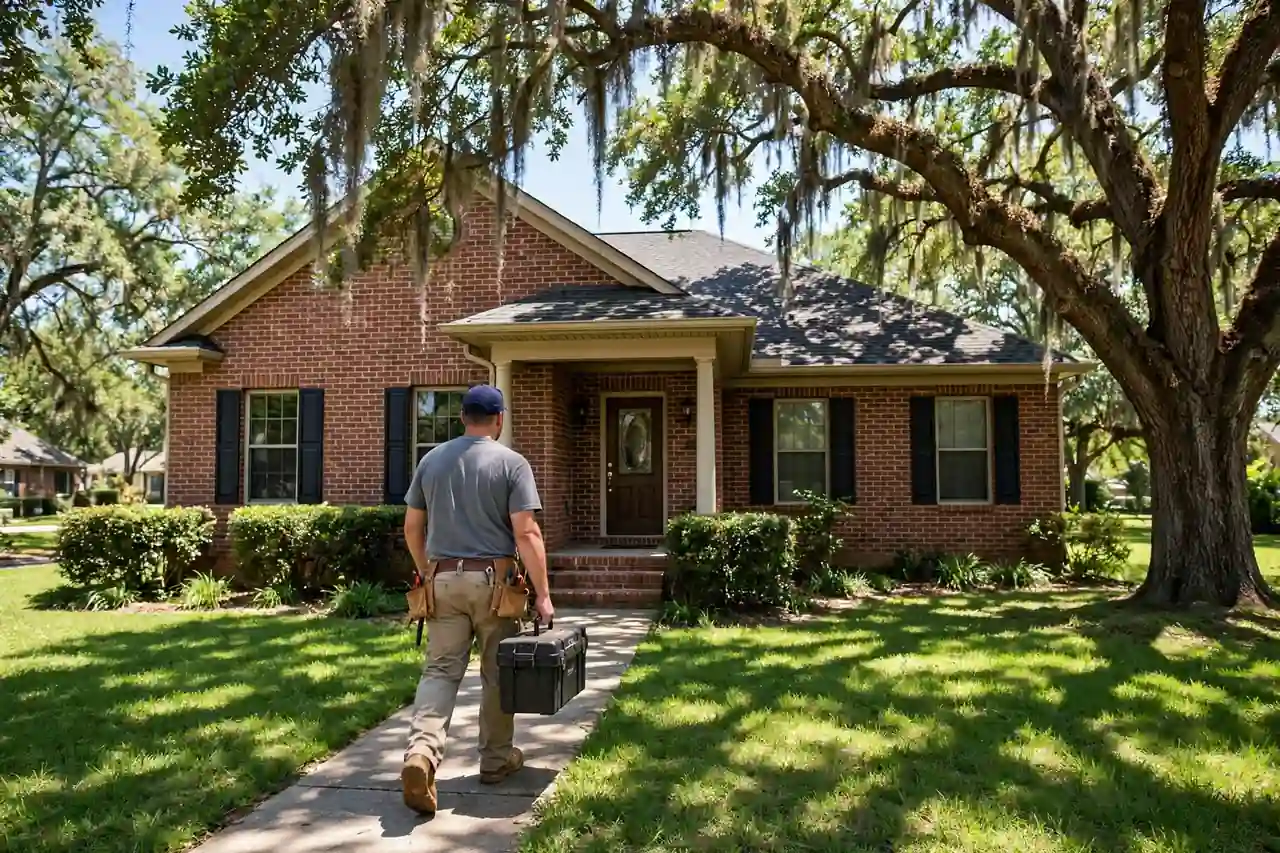
We check the shower valve, drain connection and supply lines, then read the moisture in the ceiling and subfloor. The repair is scoped from what we find, so the ceiling is opened only where the water actually is. A shower drain or supply line leak soaks the subfloor and the ceiling below. Drywall softens, paint bubbles, and the leak can travel along a joist before it shows.
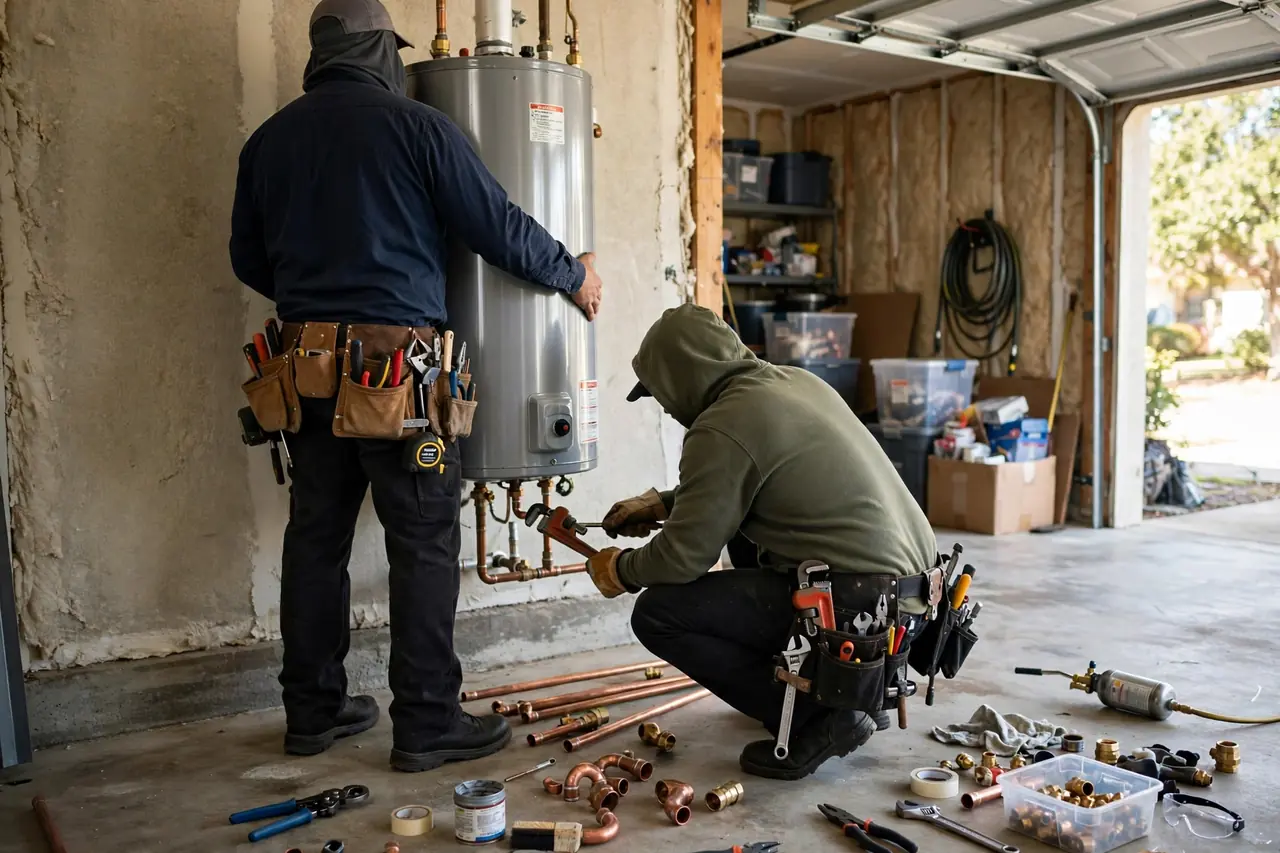
We use acoustic rods and pressure isolation to trace the loss without digging up the whole yard. Once we mark it, the repair crew digs one hole, fixes the line and restores the sod. An underground leak in a yard line or irrigation run wastes water and can undermine a driveway or patio. It also keeps the soil saturated, which is hard on nearby trees and fences.
A slab leak can waste hundreds of gallons a day and quietly add a large amount to a monthly bill. We isolate the line and confirm the loss with the meter before we leave, so you know the number is real and not a billing error.
Guessing means jackhammering a whole room. Electronic leak detection Houston pinpoints the break to within a foot, so the repair crew opens one small section of slab or wall instead of half the floor. Less concrete, less tile, less money.
A pinhole leak inside a wall can soak insulation and drywall for weeks before you see a stain. We read moisture with a meter, map the wet zone, and hand you a clear picture of what has to dry out or be replaced before mold takes hold.
Water under a Houston slab softens the clay and can lead to settlement cracks in brick and drywall. Finding and fixing the source early keeps the soil stable and saves you from a foundation bill that dwarfs the plumbing repair.
Clear records you can keep and share.
Tape and paint on the floor or ground
Images of the meter, gauge and microphone
Plain-language scope and price
A reading narrows the search to a small area, but it does not tell you why the pipe failed. We confirm the spot and then look at the pipe to decide between a spot repair and a reroute.
The microphone finds where water is escaping. The cause, such as a cracked copper line or a failed fitting, comes from opening the spot and looking at the pipe.
A single pinhole can be spot-fixed. Repeated leaks on the same run usually mean the pipe is failing along its length, and a reroute through the attic may cost less over time.
A moisture meter shows what is wet, not always where the water started. Water travels along a joist or a slab edge, so we confirm the source before quoting the repair.
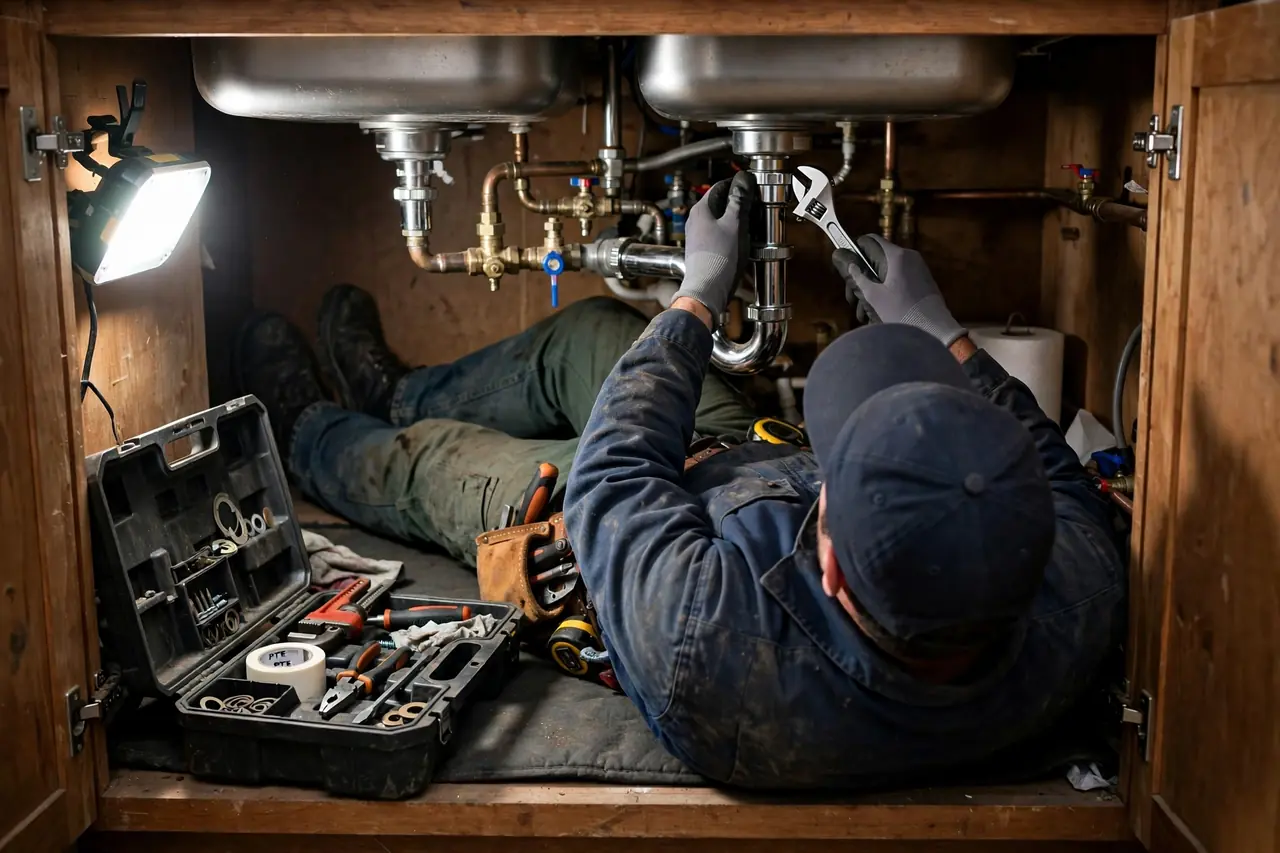
Outside these areas? Call and ask if we can reach you. (346) 776-8560
A water bill that jumps with no change in use, a meter that keeps moving with everything off, a warm spot on the floor, the sound of running water when nothing is on, or damp spots and mould. Any one of these is worth a meter check.
We start with the meter, then pressure-test and isolate lines to separate hot from cold, listen acoustically, and use a camera and line locating. Cutting concrete or opening a wall is the last step, after the leak is located, not the first.
A slab leak is a leak in a water line under a concrete slab foundation. A regular leak is in a wall, under a floor, at a fixture or in the yard. Slab leaks have their own detection and repair options, including reroute and tunneling, so they have their own page.
Yes. Estimates are free, and you approve the written scope before work starts. We are open Monday to Sunday, 7:00 AM to 10:00 PM.
Call (346) 776-8560 for a free estimate. We test the meter, isolate the line and locate the leak before anything is opened, Monday to Sunday, 7:00 AM to 10:00 PM.
Call us at (346) 776-8560 to book leak detection or ask a question. We are open Monday to Sunday, 7:00 AM to 10:00 PM, and estimates are free.
The fastest way to book is a phone call. Tell us what is happening and we will give you a free estimate and a time that works, Monday to Sunday, 7:00 AM to 10:00 PM.
Open Mon–Sun, 7:00 AM–10:00 PM. Free estimates.