Written findings
What failed and what we replaced
Water under the sink, a drain that will not empty, a faucet that drips: a sink problem is usually a supply line, a trap or a cartridge, and finding which one matters more than drying the cabinet. El Primo Lalo Plumbing repairs sinks in Houston, kitchen and bathroom, and tests before leaving.
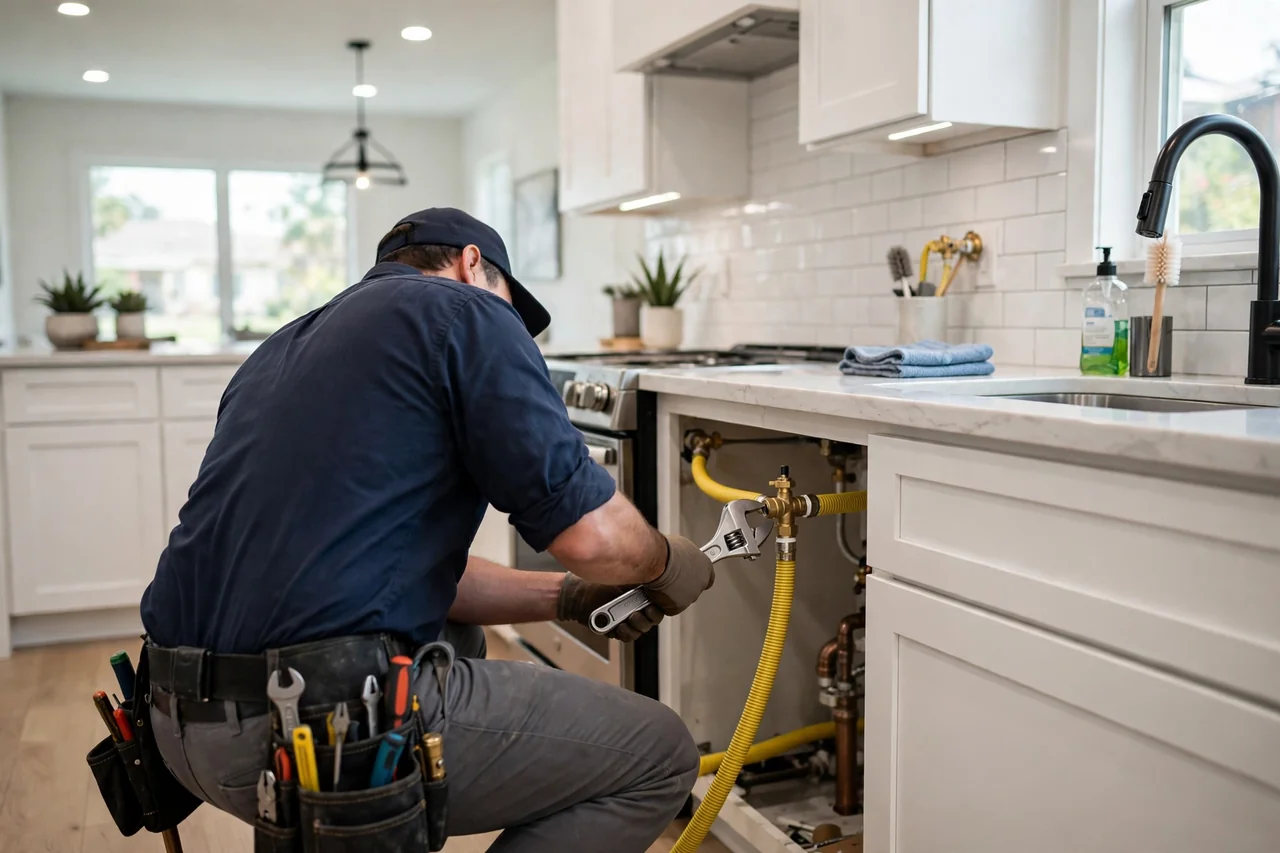
Every sink call starts with a full inspection and ends with a tested repair. Here is what is covered in a standard visit, and what we quote separately if the job turns out to be bigger than a fixture-level fix.
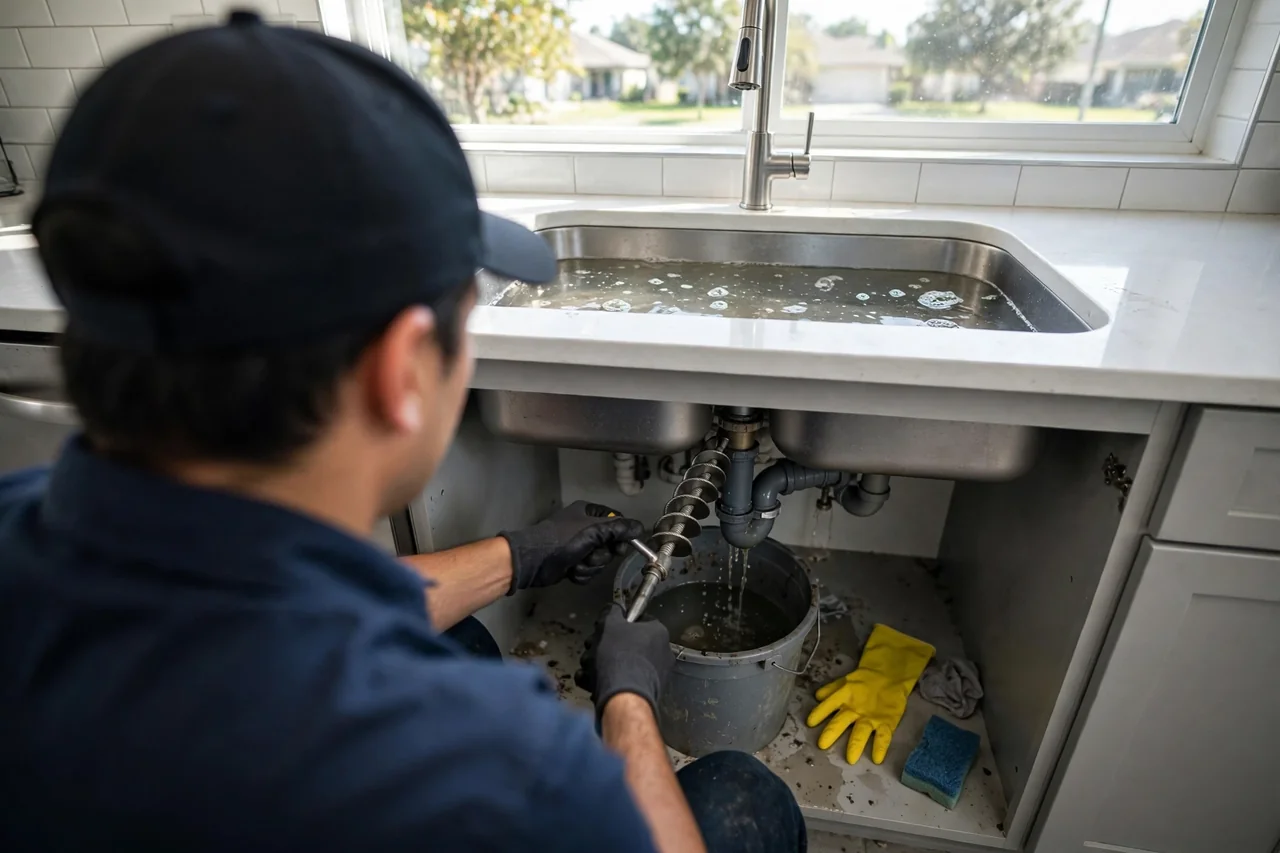
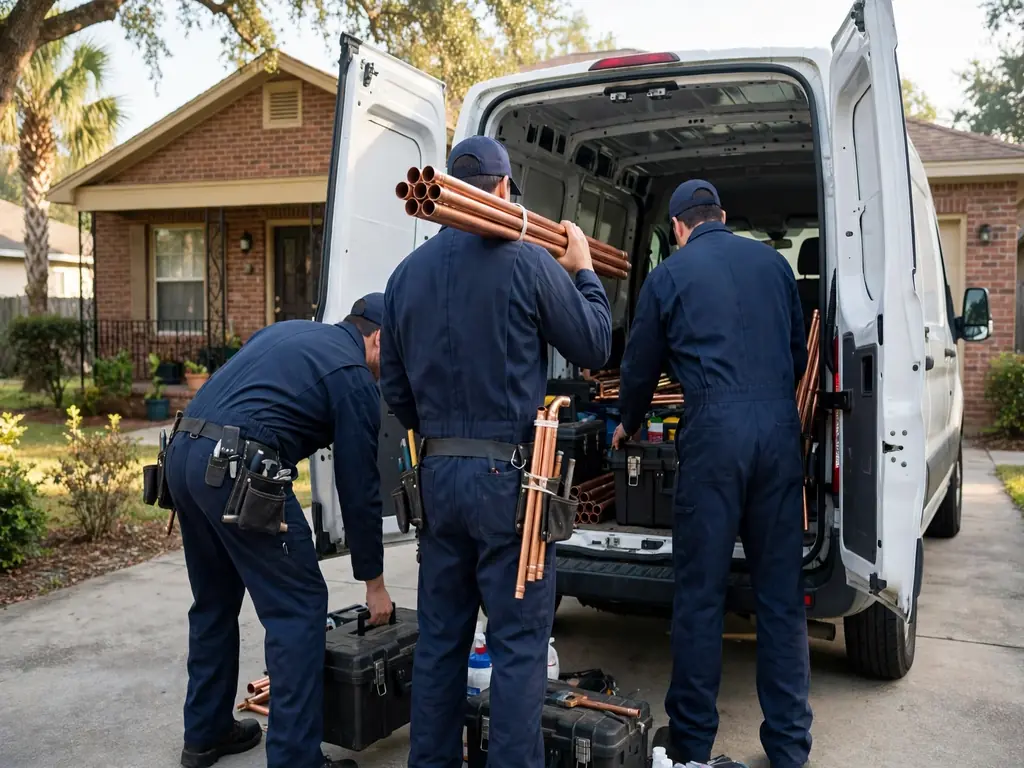
We repair kitchen and bathroom sinks in houses, condos, and rentals across Houston. Our work covers the faucet, the supply lines, the trap, and the drain, and we test each one before we leave.
Restaurants, offices, and property managers call us for sink repairs that cannot wait. We schedule around your operating hours and document what was fixed for the building owner.
Sink diagnosis splits three ways: the supply, the trap and the faucet. Water under a sink can come from a supply line, a shutoff valve, the trap or the disposal. A slow sink is usually a scaled or clogged trap and branch line. A dripping faucet is usually a cartridge or seat, scaled by Houston's hard water. Each has its own fix, and the cabinet has to be dried and checked, because a slow leak rots the cabinet base quietly.
Kitchen sinks work hardest and fail first, on grease, food and disposal use. Bathroom sinks clog on hair and soap scum. In older homes, the shutoff valves under the sink often do not shut off at all, which turns a small repair into a bigger one unless the valves are replaced with the job.
Water under a sink is a supply line, a trap or a disposal. Find which one before you dry the cabinet.
No mystery, no surprise line items. Here is exactly what happens from the moment you call until the sink is back in service.
You call (346) 776-8560 and describe what the sink is doing. We ask whether water is actively leaking, whether the drain is fully blocked, and whether you can reach the shutoff valve. That conversation takes about five minutes and tells us what to load on the truck, so we are not making two trips for one repair.
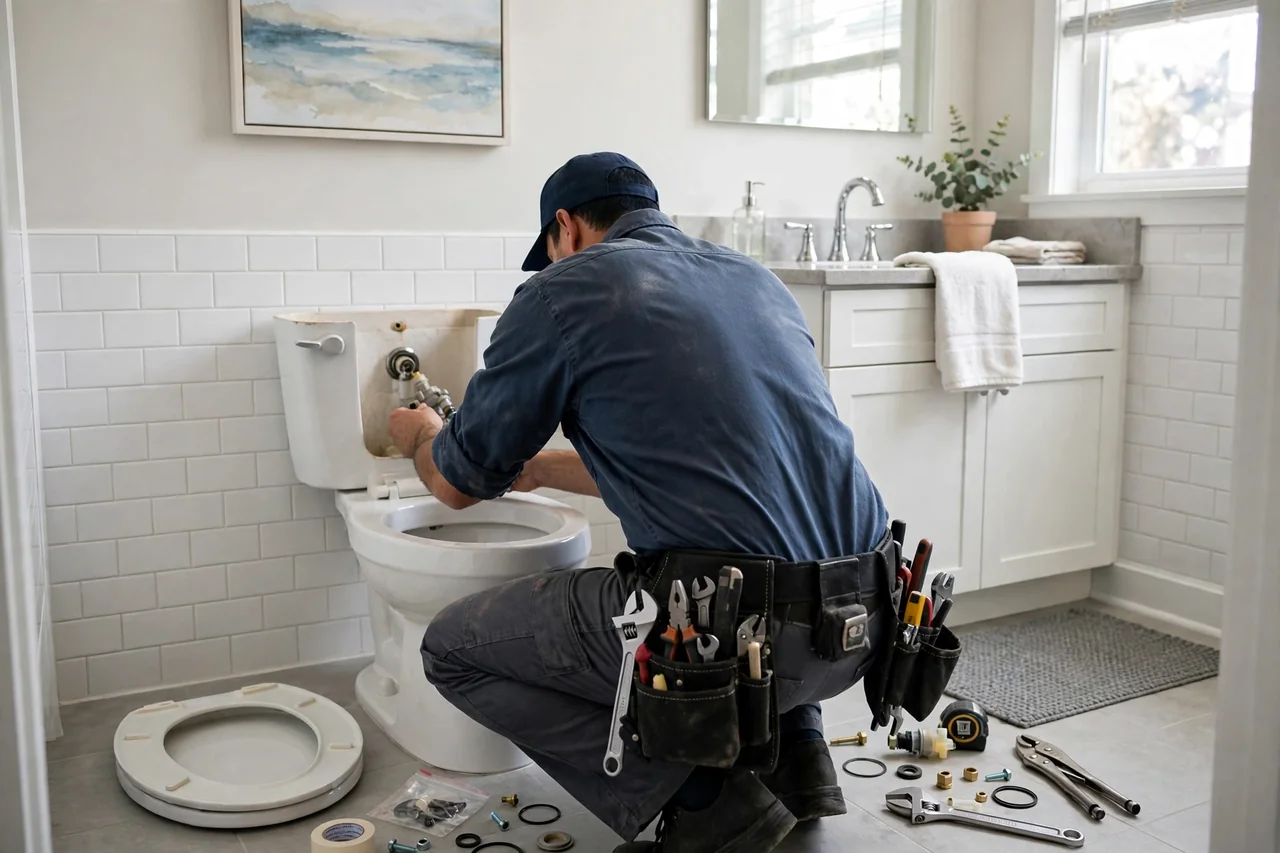
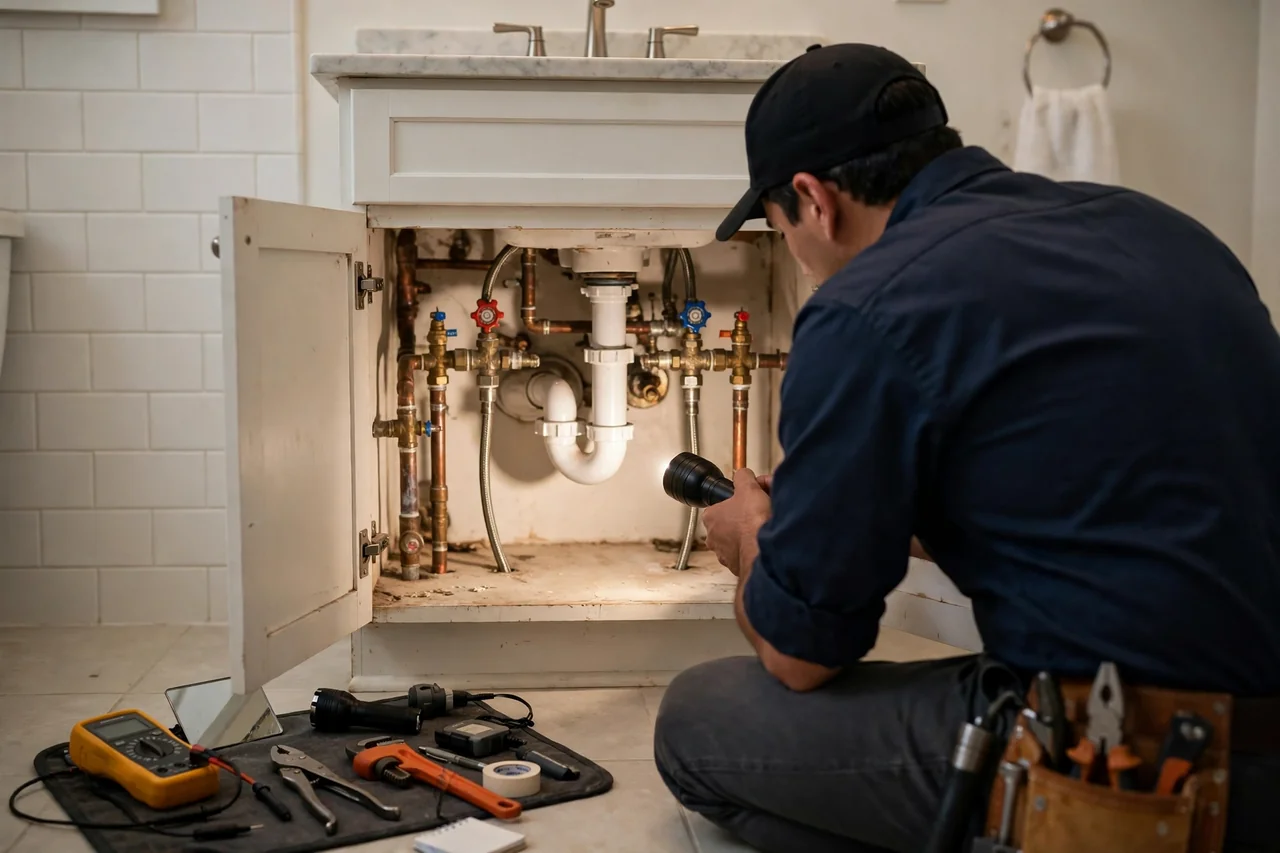
We arrive in the window we gave you, lay a drop cloth, and inspect under the cabinet first. Out comes the flashlight and the leak detection microphone if the source is not obvious. We check supply lines, shutoff valves, the P-trap, the drain, and the faucet body, then explain what failed and what it takes to fix it before any work starts.
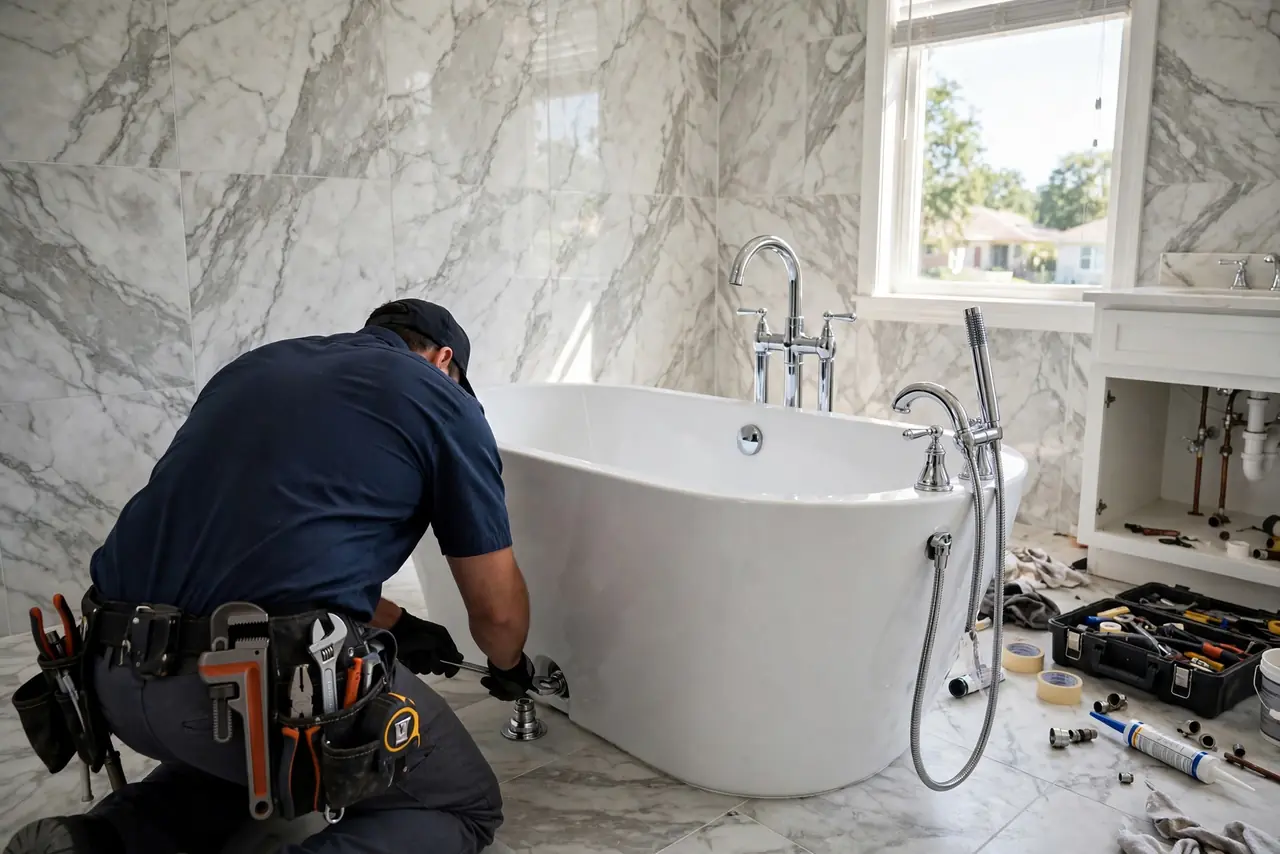
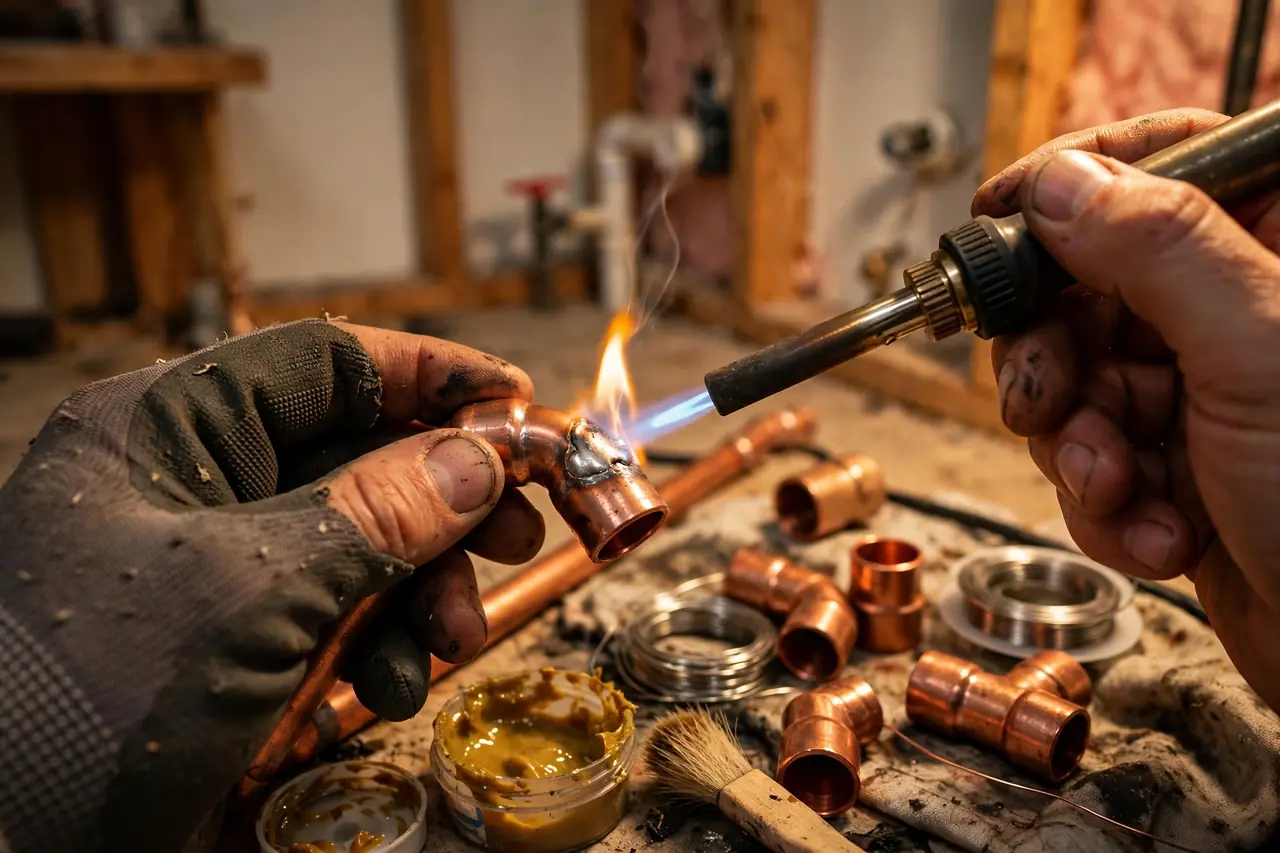
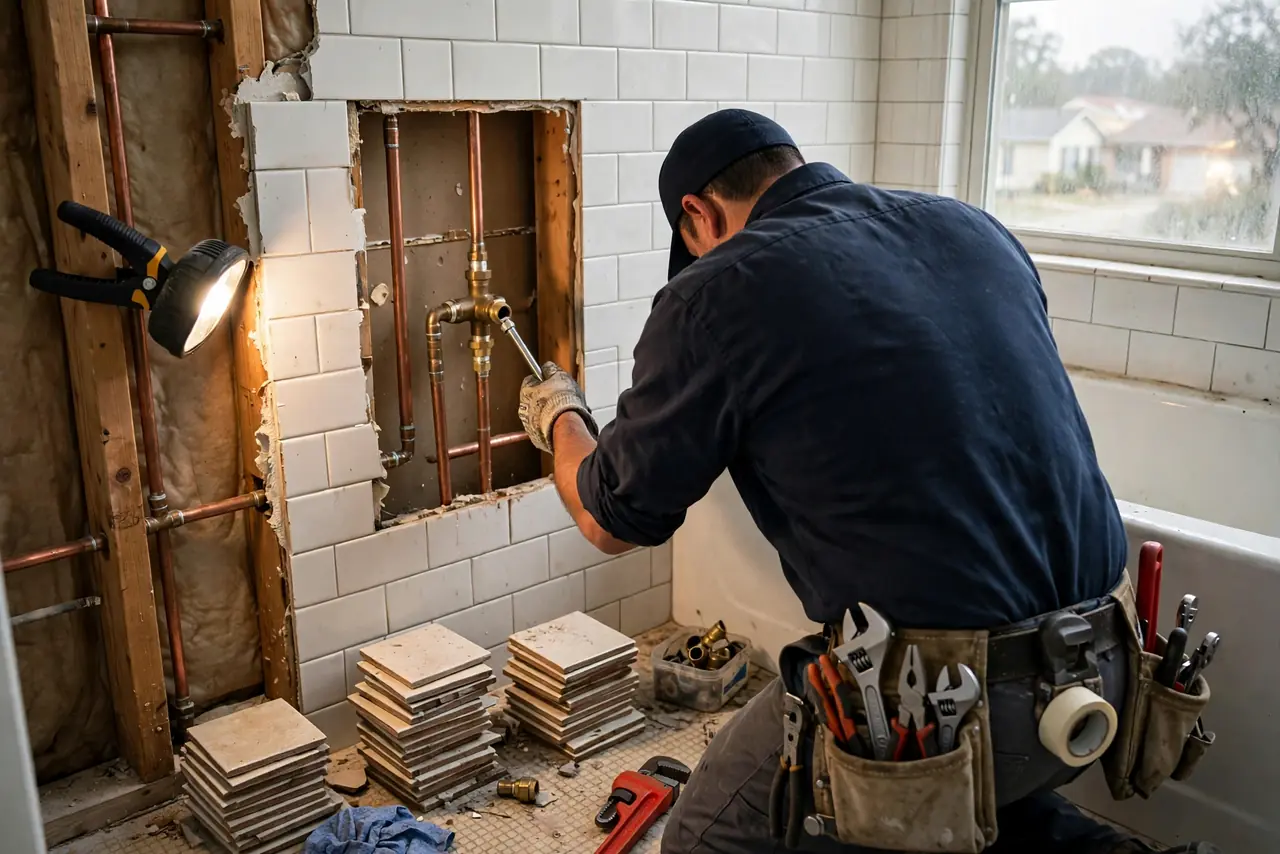
Most repairs take 45 minutes to two hours. We cut out the failed section with a tube cutter, sweat or press the new fittings, and replace worn supply lines with braided stainless or PEX tubing as needed. If the faucet cartridge is shot, we match the brand and install the correct replacement rather than forcing a universal part that will leak again.
We fill the basin, run the faucet hot and cold, and watch every connection under load. Then we run the drain and check for seepage at the tailpiece and trap. The cabinet gets wiped down, the floor gets swept, and you get a walkthrough of what we did and what to watch for over the next few days.
If anything we touched acts up after the visit, we come back and make it right. We also tell you what to keep an eye on, like a shutoff valve that is stiff or a drain that is running slow, so the next problem gets caught before it becomes an emergency.
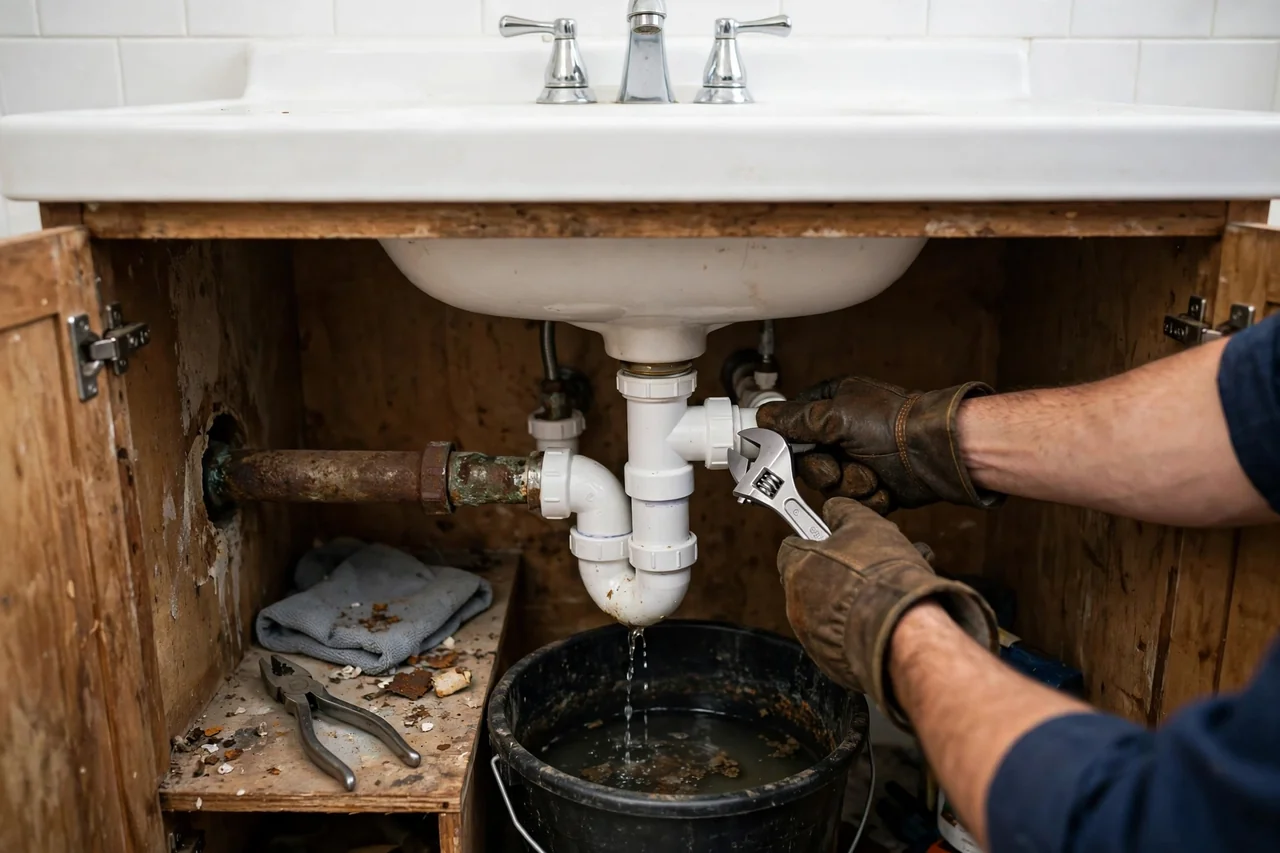
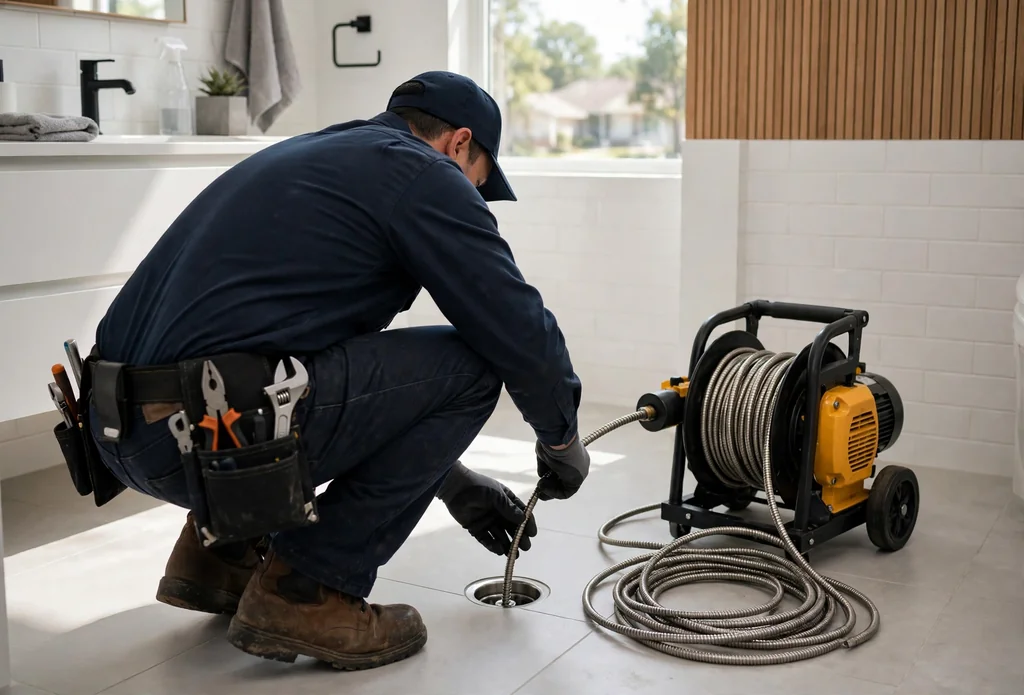
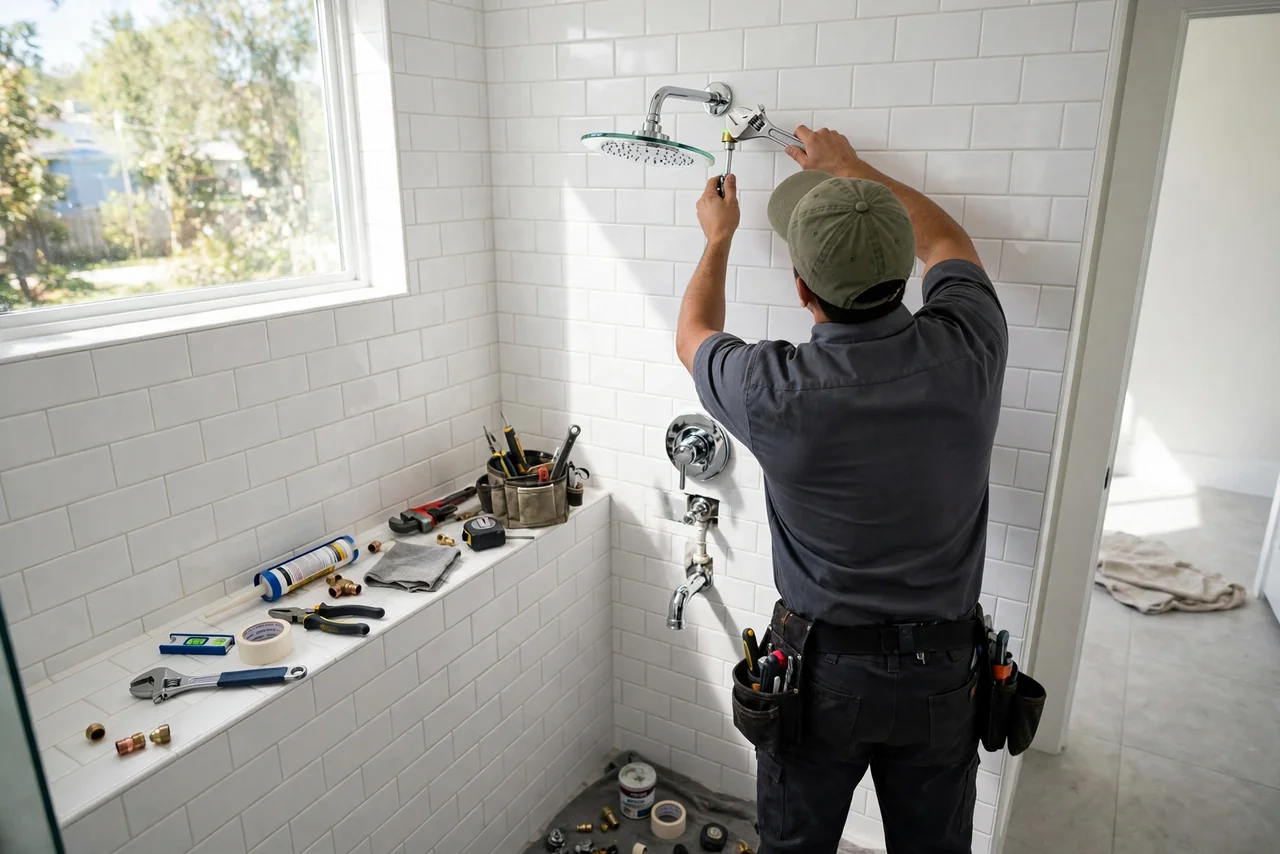
Loosening trap fittings and clearing blockages in the branch line without damaging the pipe threads or the trap itself.
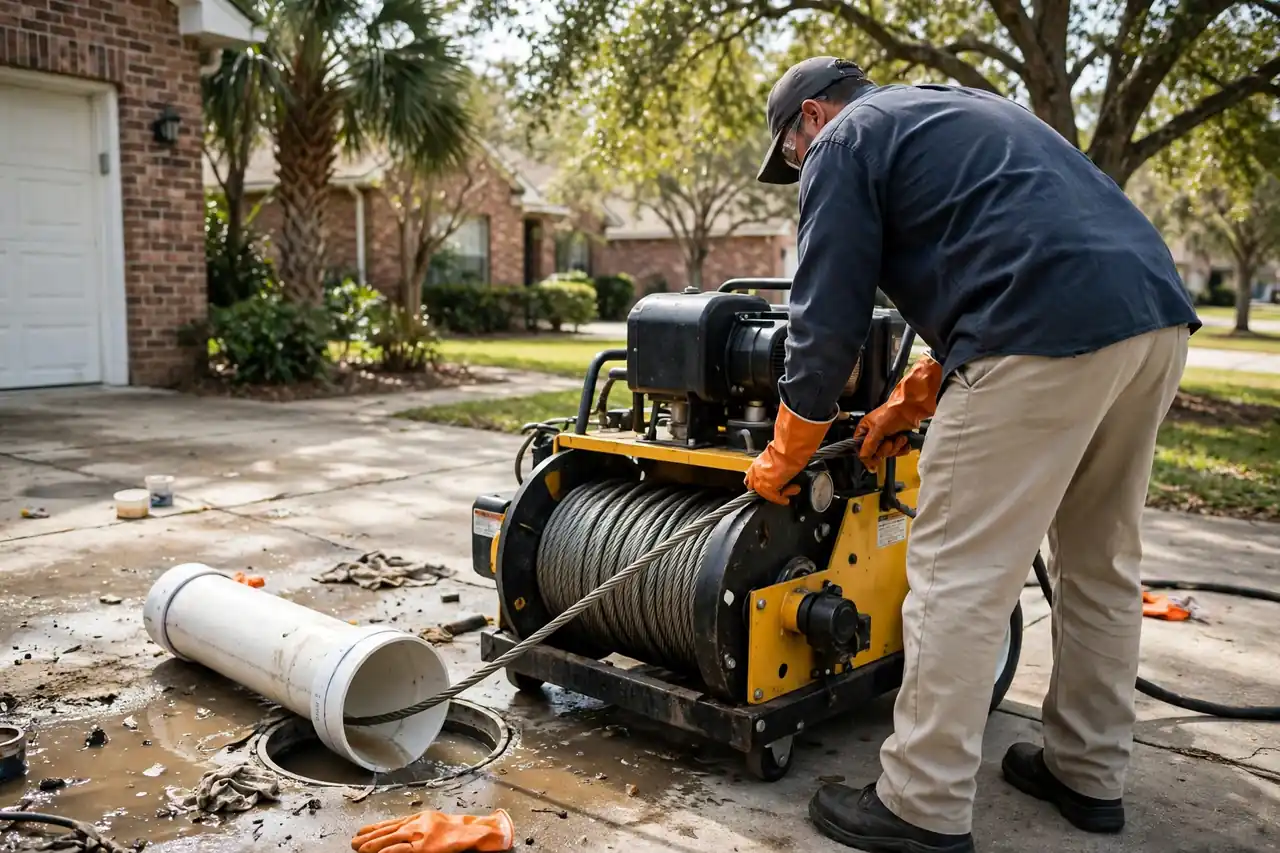
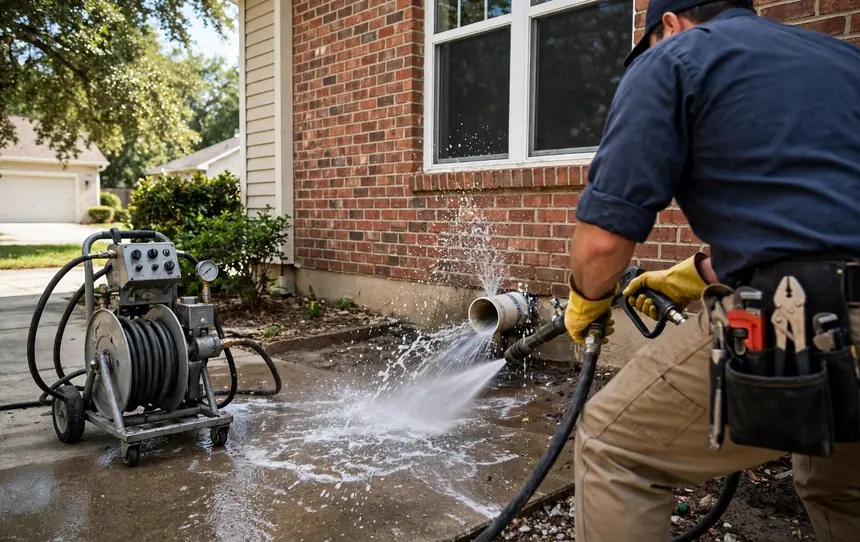
Clearing hair, grease, and scale from the drain line. Hydro jetting scours the pipe wall when a snake alone will not clear the blockage.
Seeing inside the drain line to identify root intrusion, collapsed pipe, or a clog that keeps returning before we recommend a repair.
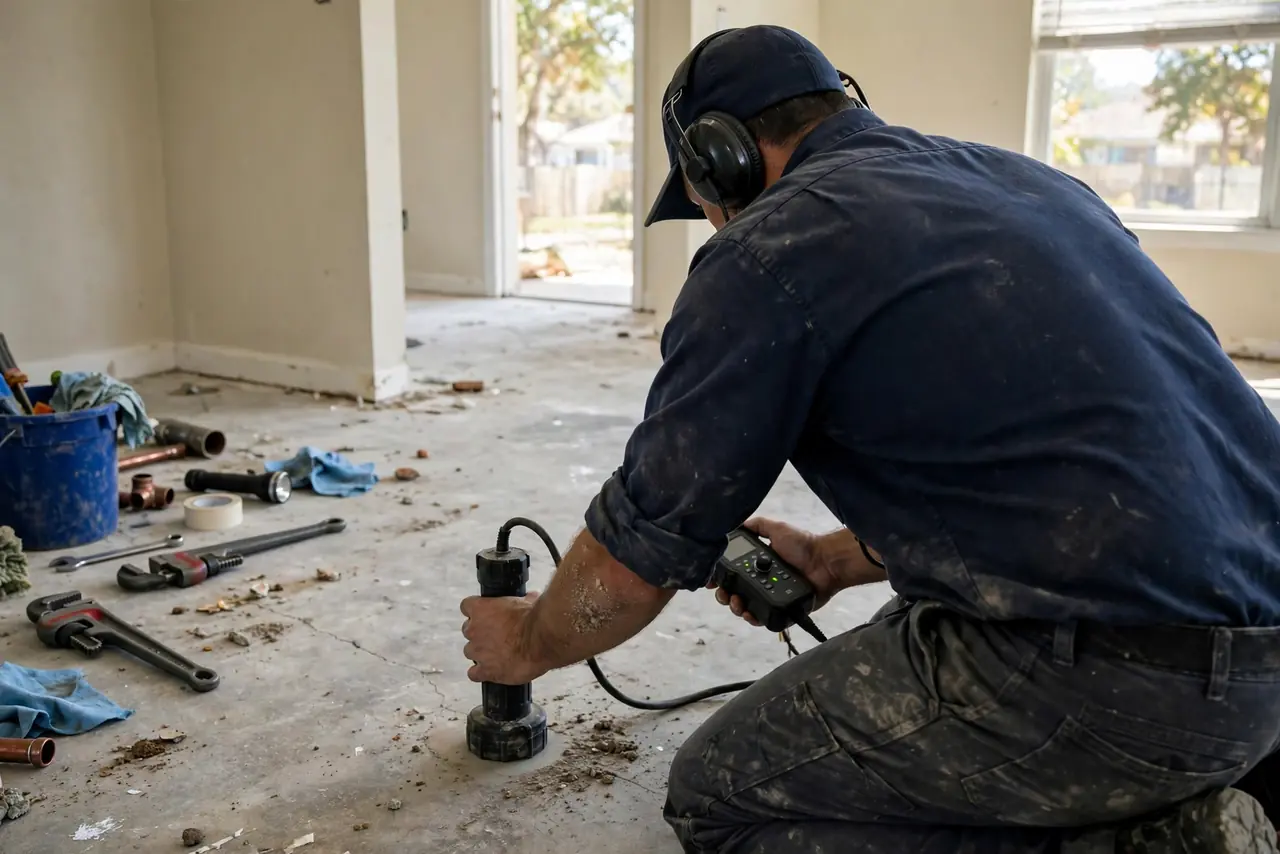
Finding a hidden leak behind the cabinet or inside the wall without cutting into finished surfaces.
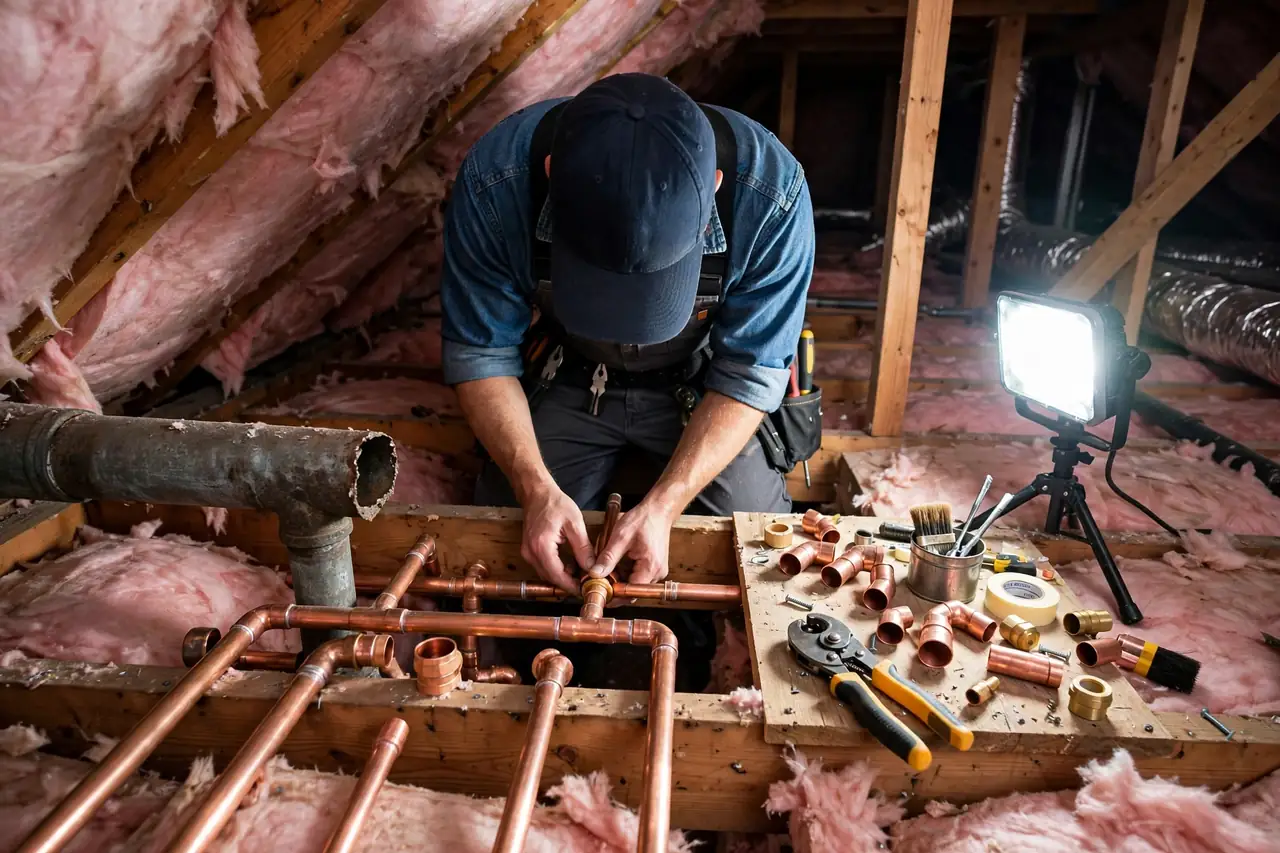
Cutting copper cleanly and making press connections that do not require soldering, which is faster and safer inside a cabinet.
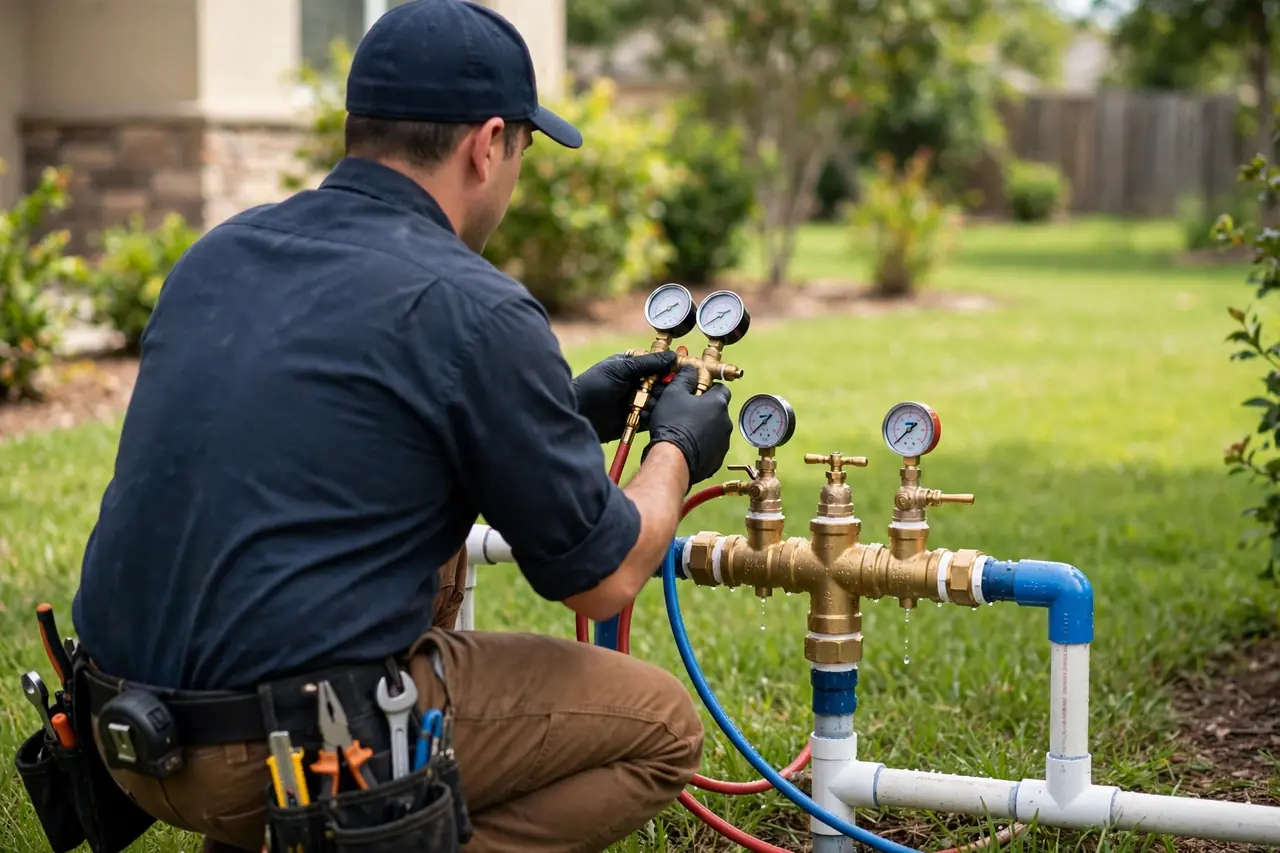
Sweating copper connections where a soldered joint is the right call for the repair.
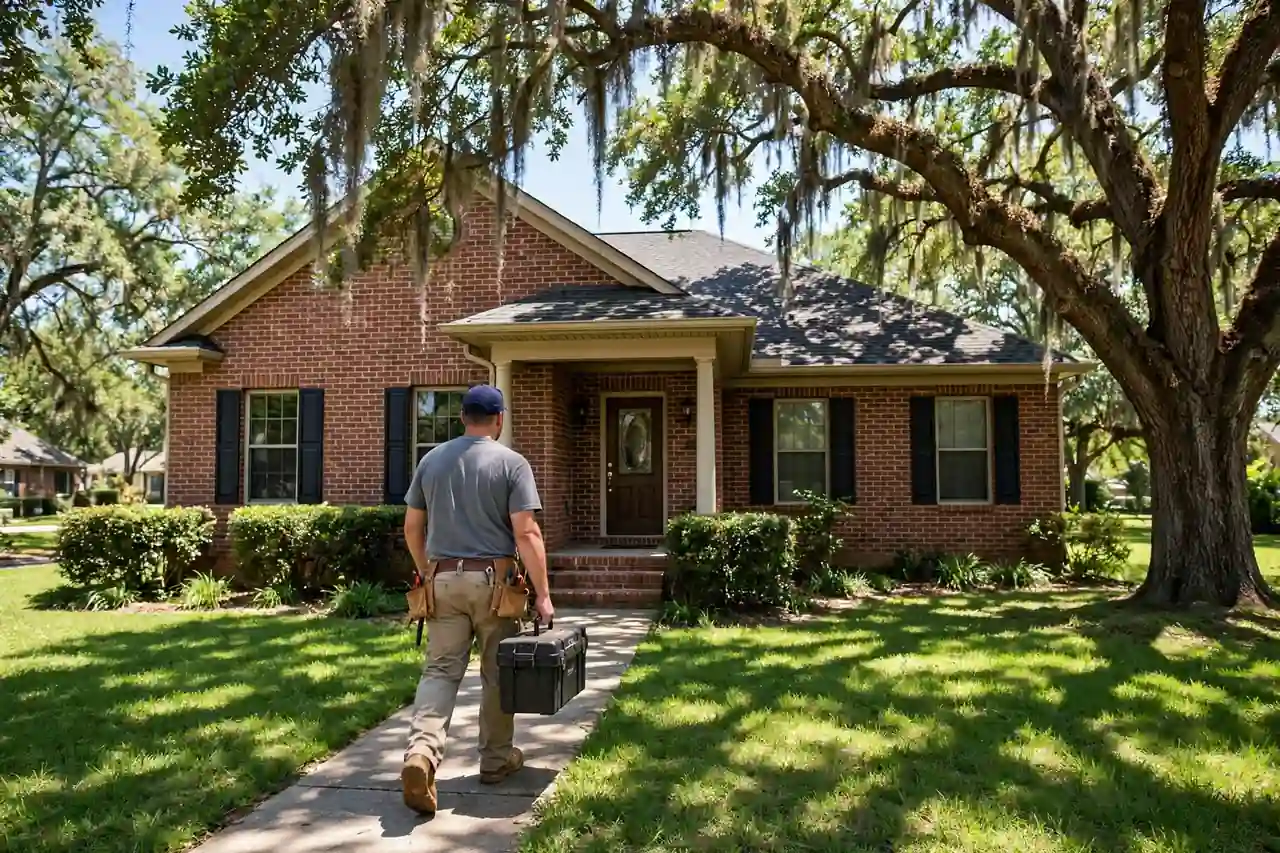
Making reliable push-to-connect and PEX connections when the existing pipe type calls for them.
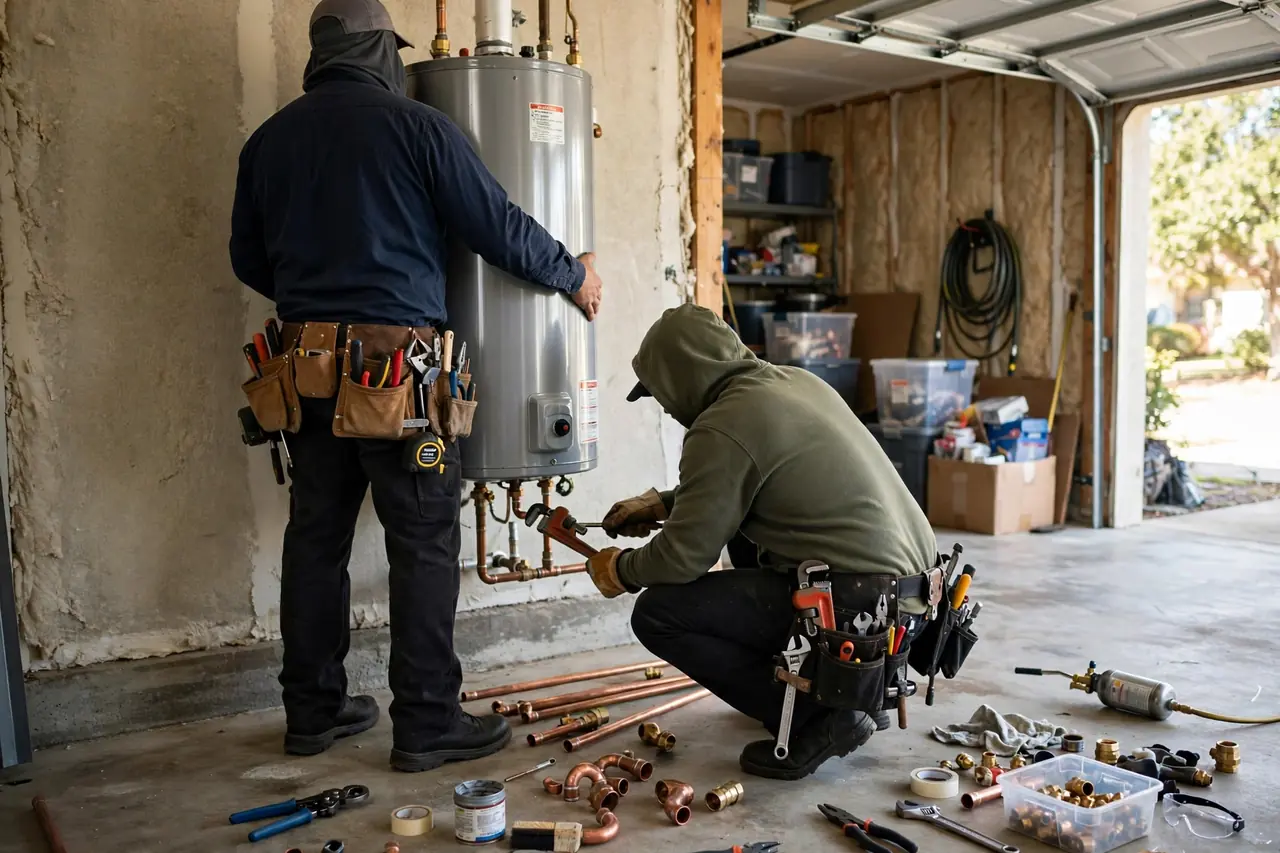
Every repair follows the trap arm slope, venting, and air gap requirements in the adopted code. That matters at the sink because a poorly vented trap will gurgle and drain slowly no matter how many times it is cleared.
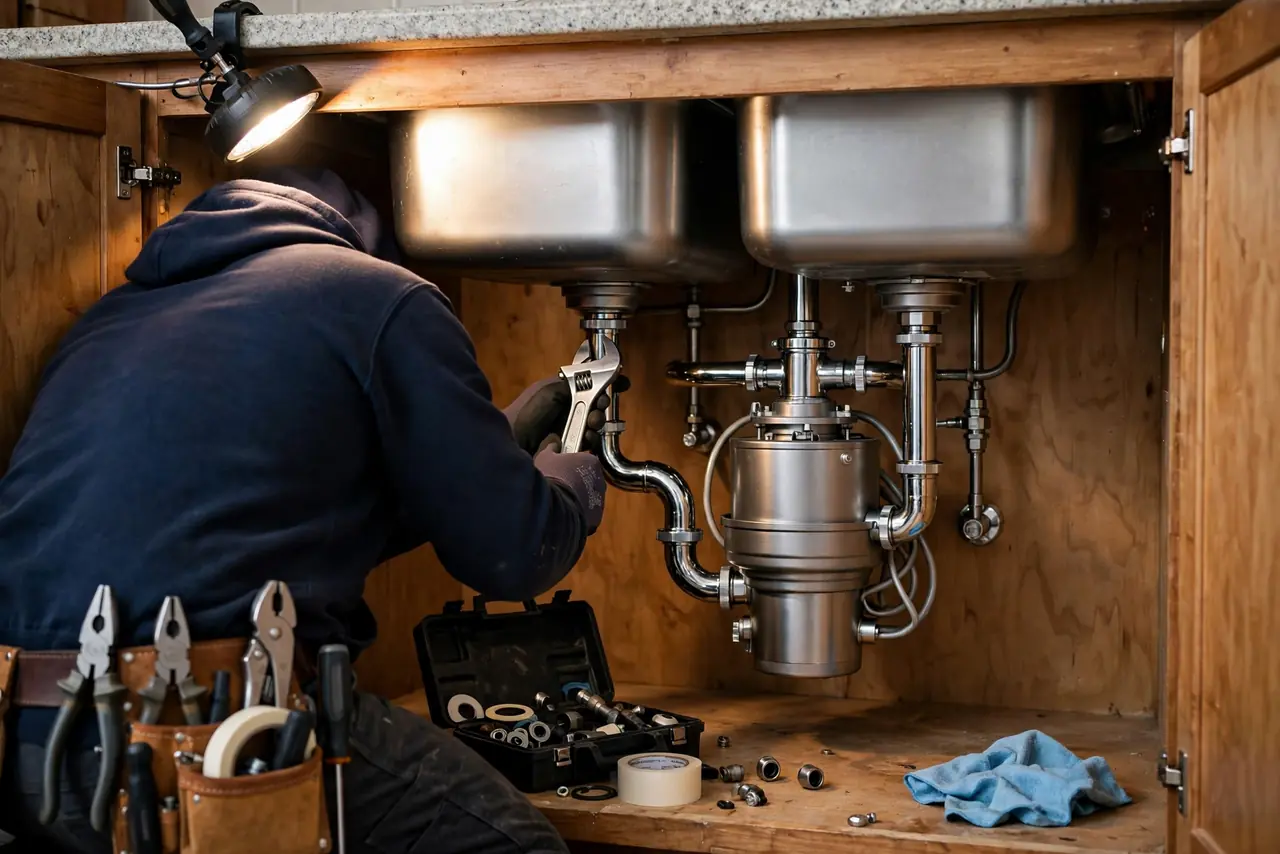
We inspect the dishwasher connection, the disposal flange, and the trap. A loose clamp or a partially blocked branch line is usually the cause, and we repair the connection and clear the line in one visit. The cabinet stays dry, the dishwasher drains properly, and the sink empties at full speed again.
We coordinate access with the tenant, replace the faucet cartridge, and check the shutoff valves while we are there. The repair is documented for the property owner. The drip stops, the water bill stops climbing, and the owner gets a clear record of what was fixed.
We clear the grease blockage in the branch line, check the grease trap connection, and repair the disposal. The work is scheduled around service hours so the kitchen keeps running. The sink drains through the rush, the disposal works, and the kitchen stays open.
We replace the trap with new PVC, clear the drain, and provide a clear description of the repair for the inspection response. The inspection item is resolved, the sink works, and the sale moves forward without a repair credit.
Kitchen sink repairs concentrate where kitchens work hardest, in family homes in Memorial and the Heights, while bathroom sink repairs follow hard-water scale city-wide. Old shutoff valves are the hidden problem in older homes.
A homeowner in the Heights had a cabinet floor that stayed damp after every use. The supply line was corroded at the shutoff, and the P-trap had a slow seep at the slip nut. The cabinet floor was starting to swell.
We replaced the supply line and the shutoff valve, installed a new P-trap, and tested the assembly under full pressure. The cabinet stayed dry through a full dishwasher cycle and two days of normal use.
Check under the sink once a month for moisture. If the shutoff valve feels stiff, have it replaced before it fails closed.
A bathroom sink in Bellaire drained slowly for weeks and then stopped completely. A plunger and a chemical cleaner did nothing. The trap was clear, which pointed to a blockage in the branch line.
We ran a plumber's auger through the branch line and pulled out a hair and soap clog. A camera check confirmed the line was clear. The sink drained at full speed in under an hour.
Use a hair catcher in the drain and flush the line with hot water weekly. Avoid chemical cleaners, which can damage older pipes.
A tenant in a Medical Center high-rise reported a bathroom faucet that dripped constantly. The cartridge was worn, and the shutoff valve under the sink was stiff and hard to turn.
We replaced the cartridge with the correct brand part and swapped the shutoff valve while we had the water off. The drip stopped, and the valve now closes with a quarter turn.
Turn the shutoff valve open and closed twice a year to keep it from seizing. If the faucet starts to drip again, the cartridge is the first thing to check.
Most sink calls fall into a handful of categories. Here is what we see most often and what happens if it gets ignored.
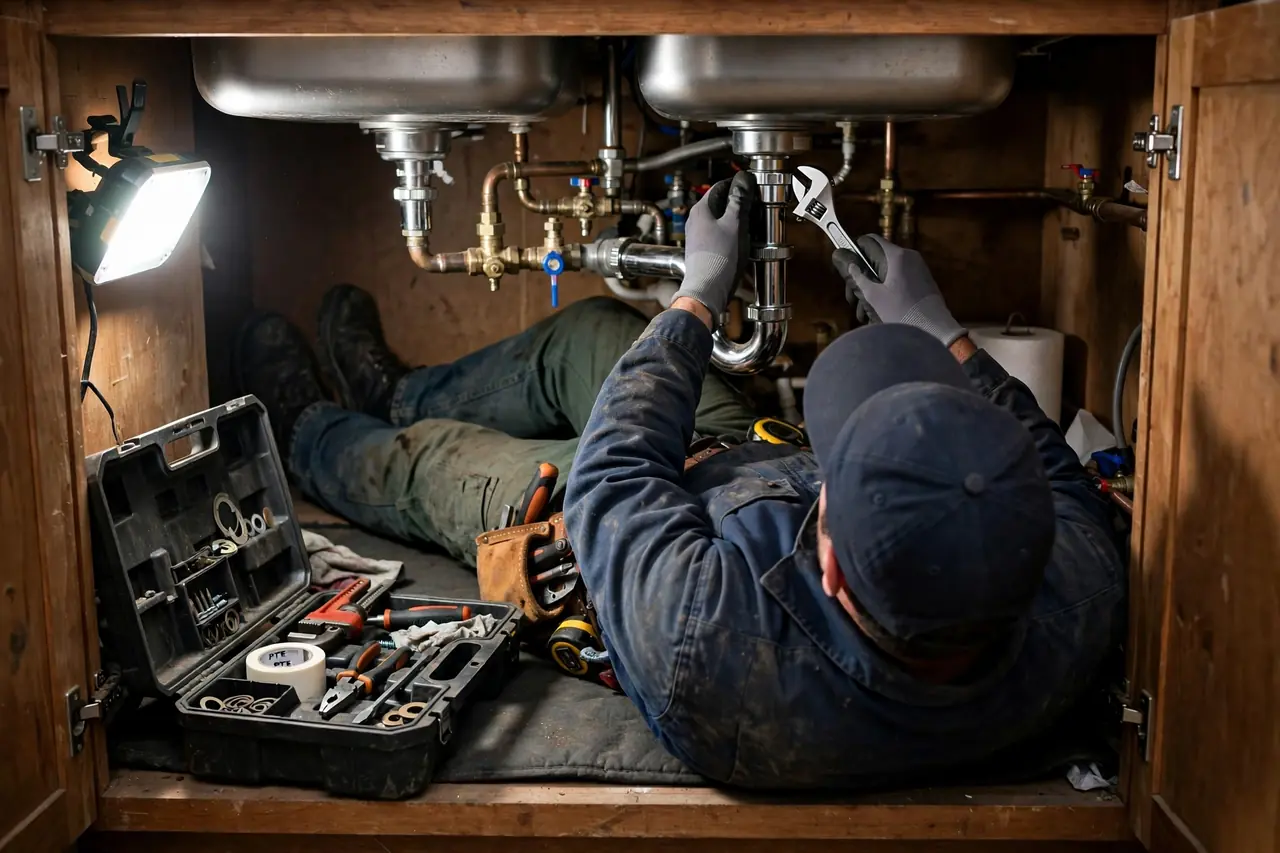
We clear the trap and branch line with an auger, then run a camera if the clog returns. If the blockage is downstream, we recommend drain cleaning or sewer line service before it becomes a backup that floods the room. Standing water breeds bacteria, and repeated backups can push wastewater into the cabinet or onto the floor. If the clog is in the main line, other fixtures start backing up too.
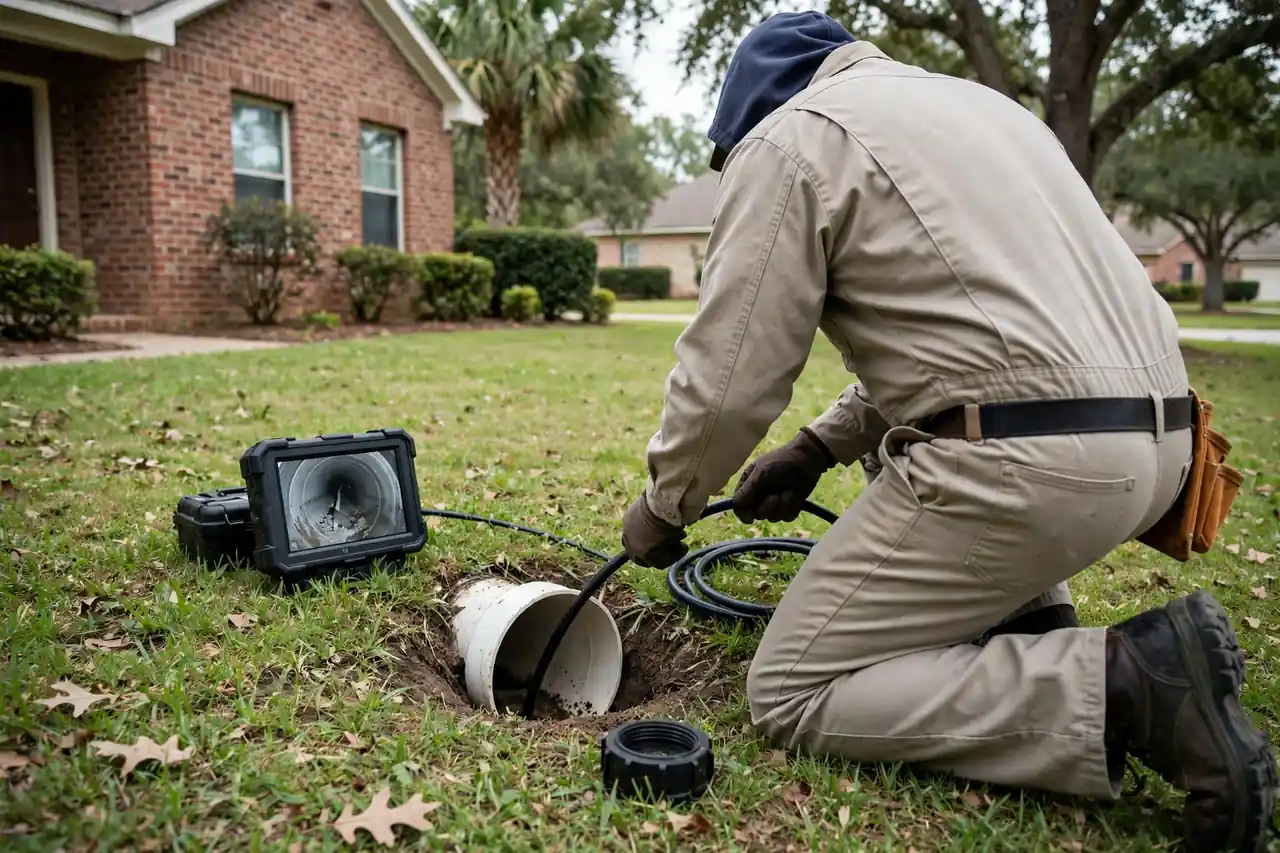
We isolate the leak with a dry towel test at each connection, then repair the failed supply line, trap, or drain fitting. We dry the area and confirm the fix holds under full pressure before we leave. Particleboard cabinet floors swell and crumble when they stay wet, and mold starts within days. A slow drip can also rot the subfloor under the cabinet without ever showing on the surface.
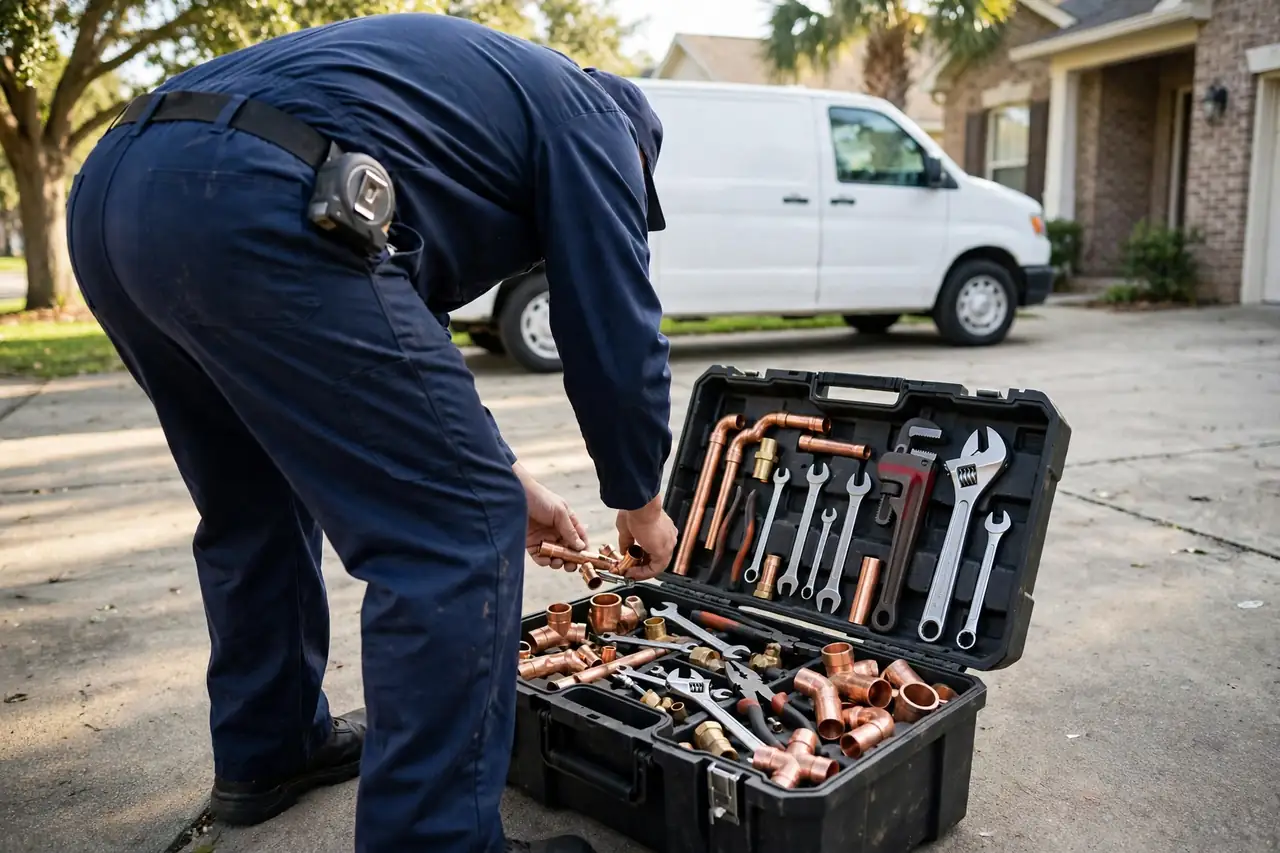
We replace the cartridge, seats, and O-rings with the correct brand part. If the faucet body is cracked or too corroded to seal, we quote a replacement and install it with new supply lines. A steady drip wastes hundreds of gallons a month and stains the basin. If the cartridge fails completely, water can spray inside the cabinet or the faucet can stop working entirely.
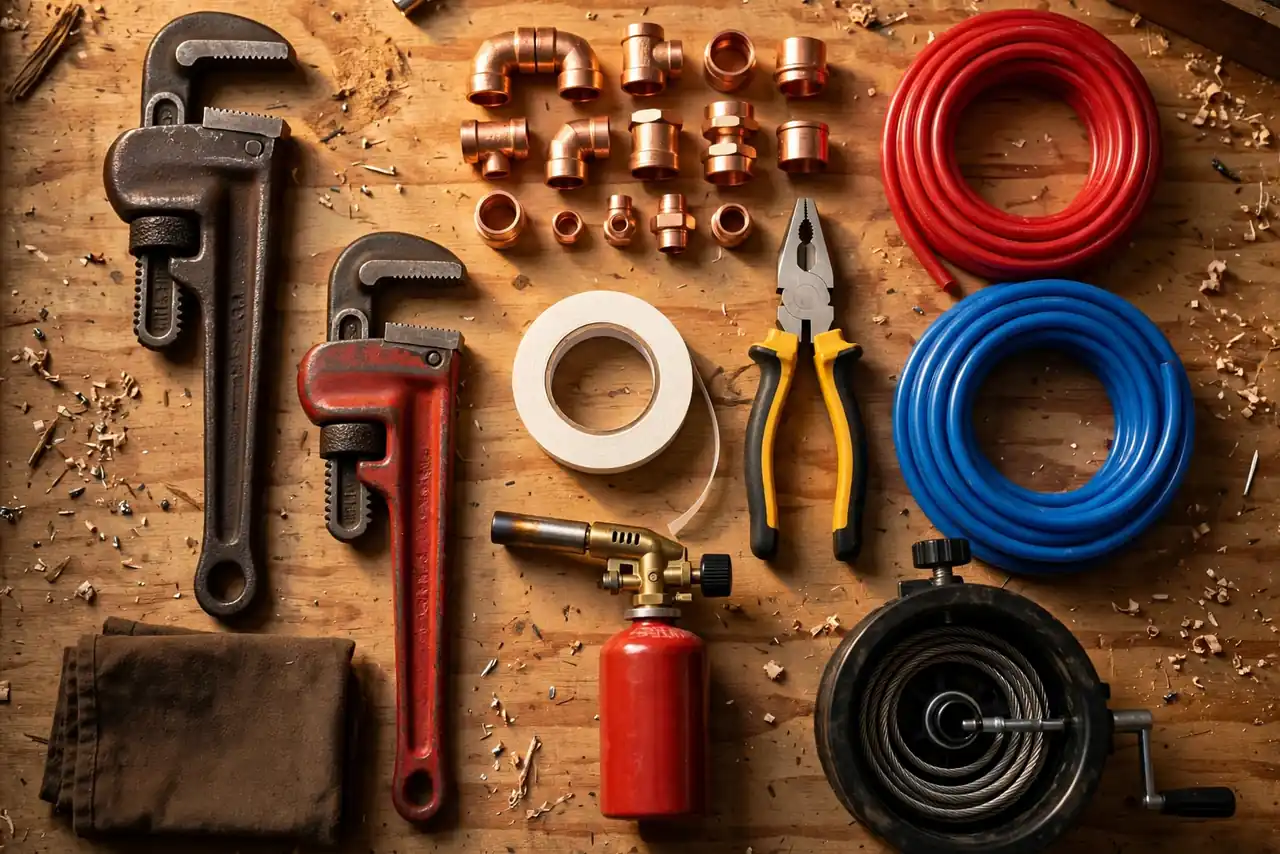
We clean or replace the aerator, check the shutoff valve, and test flow at the supply line. If the restriction is in the pipe, we diagnose the line and recommend the right repair. A clogged aerator or a failing shutoff valve restricts flow. If the valve is the problem, it can also fail closed and leave you with no water at that fixture.
We trace the drip to the actual failure, whether that is a cracked supply line, a worn wax ring on a bathroom sink, or a corroded P-trap, instead of tightening everything and hoping. Most single-fixture leaks are resolved in one visit, and we pressure-test the line before we leave so you are not calling us back next week.
A drain snake clears the hair and soap scum near the trap. When the blockage is deeper, we bring a sewer camera to see what we are dealing with before we cut anything. That is the difference between a clogged sink repair Houston that lasts and one that backs up again in a month.
Water does not wait, and neither should you. We schedule sink repair Houston for active leaks and backed-up sinks during our hours — Monday through Sunday, 7:00 AM to 10:00 PM — and we call ahead with a real arrival window. If your cabinet is filling up, shut the valve and call (346) 776-8560.
, , , and standard all use different cartridges, seats, and trim. We stock the common ones and know the rest by sight, so a faucet that will not stop dripping gets fixed with the right part the first time. That saves you the second visit and the second service call.
Clear records you can keep and share.
What failed and what we replaced
Every connection checked under pressure
Work area wiped down before we leave
A drip at the faucet and a leak under the cabinet are different problems with different fixes. Knowing which one you have helps you describe it accurately when you call.
A faucet drip comes from the cartridge inside the fixture. A supply line leak shows up as water on the cabinet floor. The repair is different for each.
A clog in the P-trap clears with a hand auger. A clog in the branch line needs a longer snake or a camera to find the blockage. The sound of the drain tells you which one is more likely.
A worn cartridge is a repair. A cracked faucet body or a corroded pipe section is a replacement. We check the condition of the part before we recommend which way to go.
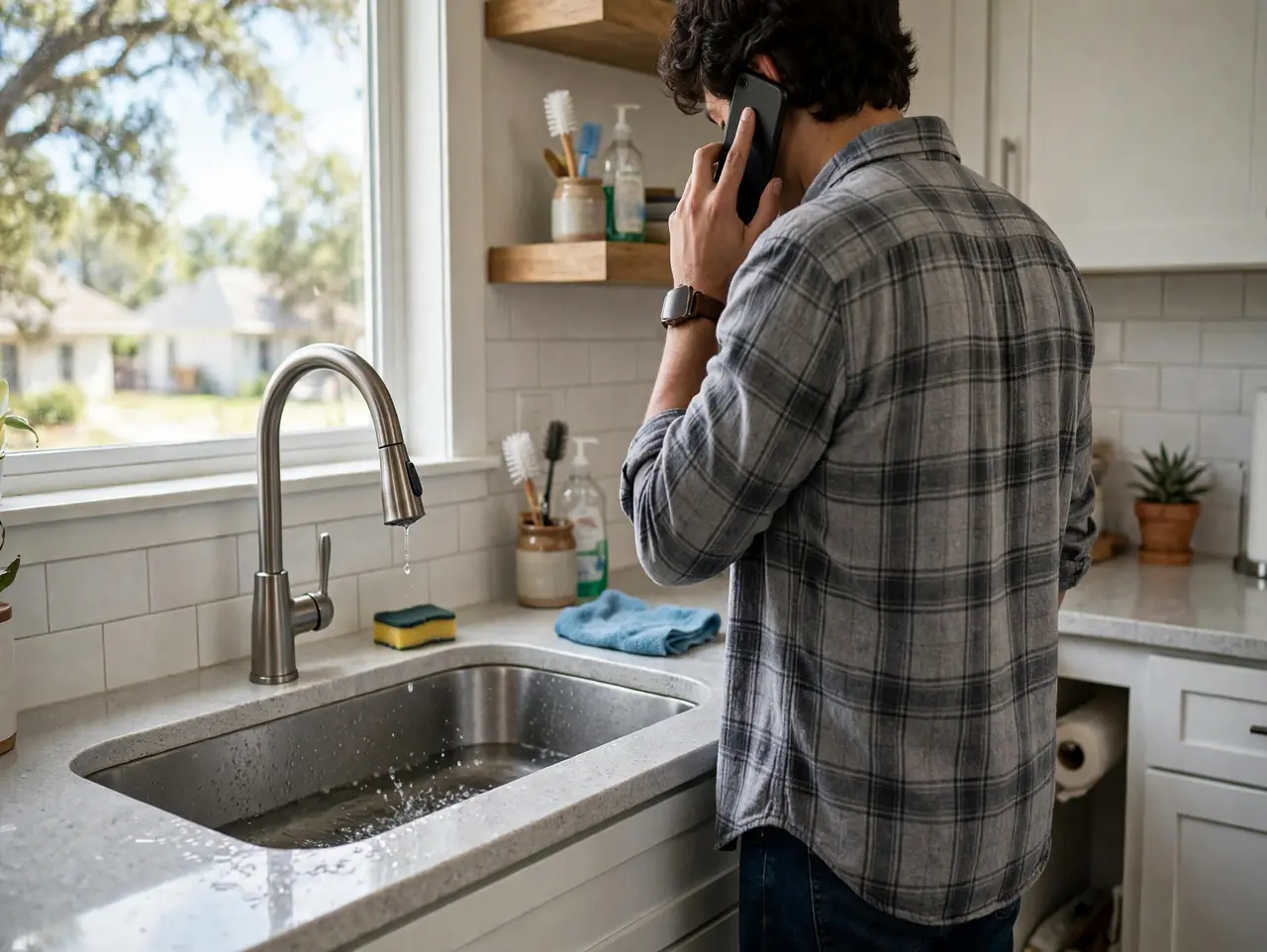
Outside these areas? Call and ask if we can reach you. (346) 776-8560
Usually a supply line, a shutoff valve, the trap or the disposal. We check all four, because water under a sink can come from more than one place, and a slow leak rots the cabinet base quietly.
A scaled or clogged trap and branch line. Kitchen sinks clog on grease and food, bathroom sinks on hair and soap scum. We clear the trap and branch, then check the vent so the sink drains evenly.
Repair when the sink body is sound and only a part has failed: a trap, a supply line, a cartridge or a shutoff valve. Replace when the basin is cracked or the faucet body is done. We show you the failed part so you can decide.
Yes. Estimates are free, and you approve the written scope before work starts. We are open Monday to Sunday, 7:00 AM to 10:00 PM.
Call (346) 776-8560 for a free estimate. We find the supply, trap or faucet fault, fix it, and test the sink before we leave, Monday to Sunday, 7:00 AM to 10:00 PM.
Call us at (346) 776-8560 to book sink repair or ask a question. We are open Monday to Sunday, 7:00 AM to 10:00 PM, and estimates are free.
The fastest way to book is a phone call. Tell us what is happening and we will give you a free estimate and a time that works, Monday to Sunday, 7:00 AM to 10:00 PM.
Open Mon–Sun, 7:00 AM–10:00 PM. Free estimates.